Child’s First Dental Visit in Hyderabad
Last Updated: March 25, 2026
Medically Reviewed By: Dr. Swetha U (Chief Dentist)
When Should Your Child See a Dentist for the First Time?
A child first dental visit is an important milestone in maintaining lifelong oral health. Many parents are unsure about when their child should see a dentist for the first time. Some believe dental visits are only necessary if a child develops tooth pain or cavities. However, preventive dental care begins much earlier.
Dental experts recommend that a child should visit the dentist by their first birthday or within six months after the first tooth erupts. Early visits help monitor tooth development, prevent dental problems, and establish healthy oral habits from the start.
Scheduling your child’s first dental appointment with an experienced pediatric dentist in Hyderabad ensures that your child receives gentle, child-friendly care while parents receive proper guidance on maintaining their child’s oral health.
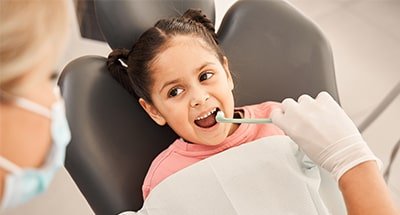
Why a Child’s First Dental Visit Is Important
The child first dental visit is not just about checking for cavities. It allows the dentist to evaluate the development of the teeth, gums, and jaw while helping parents understand the best practices for oral care.
Early dental visits help:
- Detect early signs of tooth decay
- Monitor the eruption of baby teeth
- Identify habits that affect dental development
- Guide parents on brushing and nutrition
- Prevent dental anxiety in children
Many dental issues can be prevented if they are detected early. Establishing a relationship with a pediatric dentist also helps children feel comfortable visiting the dentist as they grow older.
When Should Your Child First Visit the Dentist?
According to pediatric dental guidelines, the first dental visit should occur by the child’s first birthday.
Parents should schedule the first dental visit when:
- The first tooth erupts
- The child turns one year old
- They notice early signs of cavities
- The child experiences tooth discomfort
Baby teeth may be temporary, but they are extremely important. They help children chew properly, speak clearly, and maintain space for permanent teeth.
Early visits help ensure that baby teeth stay healthy until they naturally fall out.
What Happens During the First Dental Visit?
The first dental appointment is typically short and designed to help the child become familiar with the dental environment.
During the visit, the pediatric dentist may perform the following steps:
Gentle Oral Examination
The dentist checks the child’s teeth, gums, and oral tissues to ensure healthy development.
Checking for Early Cavities
Even young children can develop tooth decay. If necessary, the dentist may recommend preventive treatments or early cavity treatment for kids.
Assessing Jaw and Tooth Development
The dentist evaluates whether the teeth are erupting normally and whether there are any developmental concerns.
Guidance for Parents
Parents receive advice on:
- Proper brushing techniques
- Teething care
- Nutrition and sugar intake
- Preventing cavities
The goal of the visit is to create a comfortable and positive dental experience for the child.
Preparing Your Child for the First Dental Visit
Parents can help children feel relaxed before their first dental appointment.
Some helpful preparation tips include:
Talk Positively About the Dentist
Explain that the dentist checks teeth and helps keep them strong and healthy.
Avoid Negative Words
Avoid words such as “pain” or “needle,” which can create fear before the visit.
Schedule the Appointment Early in the Day
Children are usually more cooperative when they are well rested.
Bring a Comfort Item
A favorite toy or blanket may help younger children feel secure during the visit.
Positive preparation can make the child first dental visit a pleasant experience.
Common Dental Problems Found During Early Visits
Early dental checkups often help detect common dental problems before they become serious.
Early Childhood Cavities
Tooth decay can begin shortly after baby teeth erupt, especially if children frequently consume sugary drinks.
If cavities are detected early, dentists may recommend preventive care or treatment such as cavity treatment for kids.
Baby Bottle Tooth Decay
Frequent bottle feeding with milk or juice, especially during sleep, can cause tooth decay in infants and toddlers.
This condition can damage front teeth and lead to cavities if not treated early.
Thumb Sucking Habits
Thumb sucking is normal for infants but may affect tooth alignment if the habit continues beyond early childhood.
Pediatric dentists guide parents on how to gradually stop these habits.
Teething Discomfort
Teething can cause gum irritation, drooling, and mild discomfort.
Dentists provide guidance on safe and effective ways to manage teething symptoms.
Tips for Maintaining Your Child’s Oral Health
Developing good oral hygiene habits early can help prevent dental problems.
Parents can protect their child’s teeth by following these tips:
Start Brushing Early
Begin brushing when the first tooth appears using a soft toothbrush and a small amount of fluoride toothpaste.
Limit Sugary Snacks
Frequent sugar consumption increases the risk of cavities.
Encourage Healthy Eating
Balanced nutrition helps support strong teeth and gums.
Schedule Regular Dental Visits
Routine dental visits allow early detection of dental problems such as tooth pain or cavities.
If decay becomes severe, treatments such as dental crowns for kids may be recommended to protect the tooth.
How Often Should Children Visit the Dentist?
After the first dental visit, most children should see the dentist every six months.
Regular dental visits help:
- Detect cavities early
- Monitor tooth development
- Maintain healthy gums
- Prevent dental problems
Routine visits also allow dentists to monitor permanent tooth eruption and jaw growth.
Signs Your Child Needs an Earlier Dental Visit
Parents should schedule a dental appointment immediately if they notice:
- White or brown spots on teeth
- Tooth pain or sensitivity
- Gum swelling or bleeding
- Difficulty chewing
- Broken or chipped teeth
Persistent discomfort may indicate infection or tooth decay. If a child experiences severe discomfort, evaluation for child tooth pain treatment may be necessary.
Parents Often Ask
At what age should my child first see a dentist?
Children should see a dentist by their first birthday or when the first tooth erupts, whichever comes first.
Is the first dental visit painful for children?
No. The first visit is usually gentle and involves a simple examination and guidance for parents.
How can I prepare my child for their first dental appointment?
Parents should talk positively about the dentist, avoid scary words, and schedule the appointment when the child is well rested.
Can babies get cavities?
Yes. Cavities can develop in baby teeth, especially if children frequently consume sugary drinks or fall asleep with bottles.
What if my child already has tooth pain?
If your child complains of persistent tooth pain, a dentist should evaluate the cause. Early treatment can prevent complications and relieve discomfort.
Gentle Pediatric Dental Care in Hyderabad
Early dental care plays a vital role in ensuring that children grow up with healthy teeth and positive dental habits. The child first dental visit helps detect early dental problems, guide parents on oral hygiene practices, and create a comfortable relationship between the child and the dentist.
Pediatric dentists focus on providing gentle and child-friendly care that helps children feel relaxed and safe during their dental appointments.
If your child has recently developed their first tooth or has not yet had a dental checkup, scheduling a visit with a pediatric dentist in Hyderabad can help ensure healthy oral development from the beginning.
Book Your Childs First Dental Visit Now!
Our Expert Team of Dentists

Dr. Swetha U
Chief Dentist
Exp: 15+ Years

Dr. Radhika
Pedodontist
Specialty: 10+ Years Exp. On Call Specialist