Baby Bottle Tooth Decay Treatment in Hyderabad
Last Updated: March 9, 2026
Medically Reviewed By: Dr. Swetha U (Chief Dentist)
Causes, Prevention and Treatment for Early Childhood Cavities
Baby bottle tooth decay is one of the most common dental problems seen in infants and toddlers. It occurs when a child’s teeth are exposed to sugary liquids for long periods, allowing bacteria to produce acids that damage the tooth enamel.
Many parents assume baby teeth are temporary and therefore less important. However, untreated decay in baby teeth can cause pain, infection, and difficulty eating. It can also affect the proper development of permanent teeth.
Early diagnosis and treatment by a pediatric dentist in Hyderabad can help prevent the progression of baby bottle tooth decay and protect your child’s oral health.
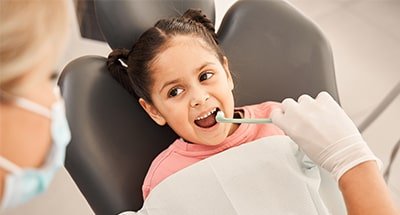
What is Baby Bottle Tooth Decay?
Baby bottle tooth decay, also known as early childhood caries, is a type of tooth decay that affects infants and young children.
This condition occurs when a child’s teeth are repeatedly exposed to liquids containing sugar such as:
- Milk
- Formula
- Fruit juice
- Sweetened drinks
When these liquids remain on the teeth for extended periods, bacteria in the mouth convert sugars into acids that weaken the tooth enamel and create cavities.
If left untreated, early childhood cavities can progress rapidly and damage multiple teeth.
What Causes Early Childhood Tooth Decay?
Several factors contribute to baby bottle tooth decay.
Sleeping with a Bottle
When a child sleeps with a bottle containing milk or juice, the liquid stays around the teeth for hours. This prolonged exposure increases the risk of decay.
Frequent Sugary Drinks
Juices, sweetened milk, and flavored beverages contain sugars that feed cavity-causing bacteria.
Poor Oral Hygiene
If teeth are not cleaned properly after feeding, bacteria accumulate and increase the risk of cavities.
Delayed First Dental Visit
Children who do not receive early dental checkups may develop cavities before parents notice visible symptoms.
Scheduling a child first dental visit helps detect these problems early.
Signs and Symptoms Parents Should Watch For
Early detection of baby bottle tooth decay can help prevent serious dental problems.
Parents should watch for the following signs:
- White spots on the front teeth
- Brown or dark stains on teeth
- Visible holes in teeth
- Swelling of gums
- Bad breath
- Tooth sensitivity or pain
In the early stages, white spots may appear near the gum line. These spots indicate enamel demineralization and should be evaluated by a dentist immediately.
If the decay progresses, children may experience discomfort and require child tooth pain treatment.
Teeth Most Affected by Bottle Feeding
Baby bottle tooth decay most commonly affects the upper front teeth.
These teeth are more vulnerable because they come into frequent contact with milk or juice during feeding.
However, if the condition progresses, it may also affect:
- Upper molars
- Lower molars
- Other primary teeth
Lower front teeth are usually less affected because the tongue and saliva help protect them.
How Baby Bottle Tooth Decay is Diagnosed
A pediatric dentist can diagnose early childhood cavities through a simple dental examination.
The dentist may:
- Examine the teeth for white spots or cavities
- Check for plaque buildup near the gum line
- Assess the child’s feeding habits
- Evaluate oral hygiene practices
In some cases, digital dental X-rays may be used to detect cavities that are not visible during the examination.
Early diagnosis allows dentists to recommend preventive care before the decay worsens.
Treatment Options for Baby Bottle Tooth Decay
Treatment depends on the severity of the tooth decay.
Fluoride Treatment
If decay is detected in its early stages, fluoride treatments may help strengthen enamel and stop cavity progression.
Professional fluoride applications help remineralize weakened enamel and protect the teeth.
Dental Fillings
If cavities have formed, the dentist may remove the decayed portion of the tooth and restore it with a filling.
This treatment helps restore the tooth’s function and prevent further damage.
Pediatric Dental Crowns
When a tooth is severely damaged by decay, a dental crown may be required to protect the remaining structure.
Crowns restore the strength and function of the tooth while preventing further deterioration. In such cases, dental crowns for kids may be recommended.
Tooth Extraction
In advanced cases where the tooth cannot be saved, the dentist may recommend removing the tooth.
However, dentists usually try to preserve baby teeth whenever possible because they maintain space for permanent teeth.
Preventing Baby Bottle Tooth Decay
Preventive care is the most effective way to protect your child’s teeth.
Parents can reduce the risk of cavities by following these guidelines:
Avoid Putting Your Child to Bed with a Bottle
If a bottle is necessary for comfort, fill it with water instead of milk or juice.
Clean Teeth After Feeding
Gently wipe your baby’s gums and teeth with a clean cloth or soft toothbrush after feeding.
Limit Sugary Drinks
Offer water instead of juice whenever possible.
Encourage Cup Drinking
Children should gradually transition from bottle feeding to drinking from a cup by their first birthday.
Schedule Early Dental Visits
Regular visits to a pediatric dentist in Hyderabad help detect cavities before they become serious.
Oral Care Tips for Infants and Toddlers
Establishing oral hygiene habits early can protect children from cavities.
Parents should:
- Begin cleaning the baby’s mouth before teeth erupt
- Use a soft toothbrush when the first tooth appears
- Apply a small amount of fluoride toothpaste
- Brush twice daily
- Schedule regular dental checkups
These simple habits can significantly reduce the risk of early childhood tooth decay.
Why Early Treatment is Important
Ignoring early signs of baby bottle tooth decay can lead to serious dental problems.
Untreated cavities may cause:
- Tooth pain
- Difficulty eating
- Infection or abscess
- Premature tooth loss
- Misalignment of permanent teeth
Early intervention allows dentists to treat cavities before they cause significant damage.
Parents Often Ask
Can babies really get cavities?
Yes. Cavities can develop soon after baby teeth erupt, especially if children frequently consume sugary drinks or fall asleep with a bottle.
At what age does baby bottle tooth decay start?
Baby bottle tooth decay can begin as early as 12 to 18 months, particularly if oral hygiene is poor.
Can baby bottle tooth decay be reversed?
Early enamel damage may be reversed with fluoride treatments and improved oral hygiene. However, advanced cavities require dental treatment.
Should baby teeth with cavities be treated?
Yes. Treating cavities in baby teeth prevents pain, infection, and complications that may affect permanent teeth.
How can parents prevent cavities in toddlers?
Parents can prevent cavities by limiting sugary drinks, cleaning teeth regularly, and scheduling routine dental visits.
Pediatric Dental Care for Infants and Toddlers in Hyderabad
Early childhood dental care is essential for maintaining healthy teeth and preventing cavities. Baby bottle tooth decay is a preventable condition, but it requires awareness and early intervention.
Pediatric dentists specialize in providing gentle dental care for infants and young children while educating parents about proper oral hygiene practices.
If you notice discoloration, spots, or cavities in your child’s teeth, visiting a pediatric dentist in Hyderabad can help diagnose the problem early and provide appropriate treatment.
Book Your Childs Tooth Decay Treatment in Hyderabad
Our Expert Team of Dentists

Dr. Swetha U
Chief Dentist
Specialty: Aesthetic Smile Design, Dental Implants, Laser Dentistry

Dr. Radhika
Pedodontist
Specialty: 15+ Years Exp. On Call Specialist