Missing Teeth Treatment
Last Updated: March 1, 2026
Medically Reviewed By: Dr. Swetha U (Chief Dentist)
Losing one or more teeth can affect much more than appearance. Missing teeth can disrupt chewing, alter speech, strain the jaw, and lead to gradual shifting of surrounding teeth. Early treatment helps restore function and prevents long-term oral health problems.
At Platina Dental, missing teeth are evaluated carefully to determine the most appropriate treatment based on bite balance, bone support, and overall oral health.
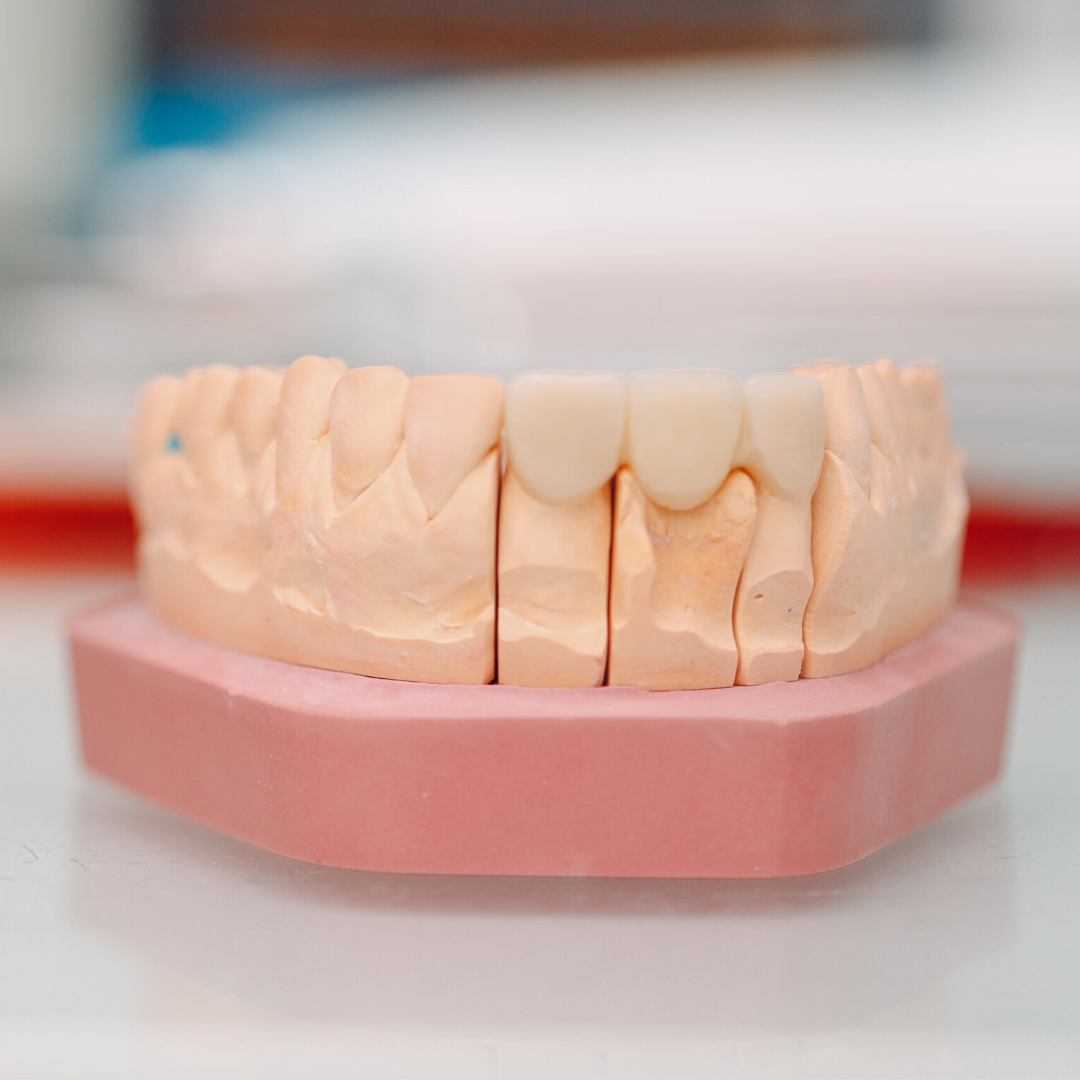
Why Treat Missing Teeth?
Leaving a missing tooth untreated can lead to progressive complications over time, including:
- Difficulty chewing certain foods
- Shifting or tilting of nearby teeth
- Increased stress on remaining teeth
- Jaw discomfort and bite imbalance
- Changes in facial structure over time
“Replacing missing teeth is not just about appearance. It is essential for maintaining bite stability and long-term oral health.”
— Dr. Swetha
Common Causes of Missing Teeth
Teeth may be lost due to several reasons, such as:
- Tooth decay or untreated infection
- Gum disease
- Dental trauma or injury
- Failed dental restorations
- Congenital absence of teeth
Understanding the cause of tooth loss helps determine the most suitable replacement option.
How Missing Teeth Affect Bite and Jaw Health
Each tooth plays a role in maintaining proper bite alignment. When a tooth is lost:
- Adjacent teeth may drift into the empty space
- Opposing teeth may over-erupt
- Bite forces become uneven
- Jaw joints may experience additional strain
Over time, this can contribute to TMJ-related symptoms, uneven tooth wear, and discomfort while chewing.
When Should Missing Teeth Be Replaced?
Missing teeth should ideally be replaced when:
- Chewing becomes uncomfortable or inefficient
- Food gets trapped in the gap frequently
- Speech clarity is affected
- The bite feels uneven
- There is visible shifting of nearby teeth
Early intervention often allows for simpler and more predictable treatment.
Missing Teeth Replacement Options
The choice of treatment for missing teeth depends on the number of teeth lost, bone support, bite condition, and overall oral health. Common treatment options include:
Dental Implants
Dental implants replace missing teeth by anchoring a titanium implant into the jawbone, which supports a crown.
- Functions closest to a natural tooth
- Helps maintain jawbone health
- Does not involve adjacent teeth
👉 Learn more about Dental Implants
Dental Bridges
Dental bridges replace missing teeth by anchoring an artificial tooth between adjacent natural teeth or crowns.
- Suitable when neighboring teeth require crowns
- Fixed, non-removable option
- Restores chewing and appearance
👉 Learn more about Dental Crowns and Bridges
Dentures
Dentures are removable appliances used to replace multiple missing teeth.
- Suitable when several teeth are missing
- Cost-effective solution
- Requires periodic adjustments
Dentures may be partial or complete, depending on the extent of tooth loss.
Comparing Missing Teeth Treatment Options
| Treatment Option | Stability | Bone Preservation | Longevity | Removable |
|---|---|---|---|---|
| Dental Implants | High | Yes | Long-term | No |
| Dental Bridges | Moderate | No | Medium | No |
| Dentures | Variable | No | Variable | Yes |
“The right solution is always case-specific. Our goal is to restore function while protecting remaining teeth and bite balance.”
— Dr. Swetha
How We Decide the Right Treatment
Before recommending a treatment option, a detailed evaluation is performed, which may include:
- Clinical examination
- Digital X-rays or scans
- Bite and jaw assessment
- Evaluation of adjacent teeth and bone support
This helps determine whether a fixed or removable solution is more suitable and ensures predictable long-term results.
Related Dental Conditions and Treatments
Missing teeth are often linked to other dental conditions that may need simultaneous management:
Addressing these conditions together helps improve treatment outcomes.
Why Choose Platina Dental?
- Restorative treatments planned with a strong focus on bite balance, comfort, and long-term durability
- Detailed clinical evaluation using digital diagnostics and precise bite analysis
- Treatments personally overseen by Dr. Swetha, Chief Dentist
- High-quality materials and precision dental laboratories for natural-looking results
- Clear explanation of treatment options, expected lifespan, and aftercare
“Replacing missing teeth should restore confidence, comfort, and everyday function — not create new problems.” — Dr. Swetha
FAQs – Missing Teeth
Is it necessary to replace a single missing tooth?
Yes. Even a single missing tooth can cause adjacent teeth to shift and affect bite alignment over time.
Which is better for missing teeth — implants or bridges?
Both are effective options. Dental implants are independent of neighboring teeth, while bridges may be suitable when adjacent teeth already require crowns.
How soon should missing teeth be replaced?
Ideally, missing teeth should be replaced as early as possible to prevent bone loss and tooth movement.
Can missing teeth cause jaw pain?
Yes. Uneven bite forces due to missing teeth can contribute to jaw strain and TMJ-related discomfort.
👉 Visit our detailed Restorative Dentistry FAQ page to get expert answers to the most commonly asked questions.
Book Your Braces Treatment Consultation
Book your braces treatment consultation at Platina Dental Hyderabad and begin your journey toward perfectly aligned teeth with trusted orthodontic experts.
Book Missing Teeth Consultation Today!
If you’re dealing with missing teeth, a personalized consultation can help determine the most suitable treatment option for your dental needs.