To Buy Xifaxan Online Visit Our Pharmacy ↓

Understand What Xifaxan Treats First
Before starting Xifaxan, it helps to know why it was prescribed. This medication is often used for traveler’s diarrhea, irritable bowel syndrome with diarrhea, and certain liver-related complications. Each condition needs a different approach, so understanding the reason behind treatment makes the plan feel clearer and more purposeful.
A short conversation with your doctor can reveal whether Xifaxan is meant to calm symptoms, reduce bacteria in the gut, or prevent a serious flare. That context matters because the goals of therapy can affect how long you take it and what results you should expect.
| Purpose | Why it matters |
| Diarrhea | Relieves bacterial-related symptoms |
When you know the target problem, you can track changes more accurately and notice sooner if the medicine is helping.
Review Your Full Medical History

Before starting xifaxan, your clinician should have a clear picture of your health history. Past liver or kidney problems, bowel disease, and previous antibiotic reactions can all affect whether this medicine is a good fit.
It also helps to mention every prescription, over-the-counter product, vitamin, and herbal supplement you use. Even details that seem minor may matter, especially if you take medicines that influence digestion, immunity, or infection risk.
If you are pregnant, breastfeeding, or planning surgery, share that information too. These conversations allow your care team to spot hidden concerns early and choose the safest approach.
A careful review of your full medical history turns treatment from guesswork into a more informed plan, helping xifaxan work with fewer surprises.
Check for Allergies and Interactions
Before starting xifaxan, it helps to slow down and look closely at what else is in your body’s daily routine. Even a harmless-seeming supplement, vitamin, or over-the-counter pain reliever can change how a medication behaves. A quick conversation with your clinician or pharmacist can uncover hidden risks before they become problems.
Be sure to mention any past allergic reactions to antibiotics, especially medicines with similar ingredients. If you have ever had hives, swelling, trouble breathing, or a severe rash after a drug, that history matters. It can guide safer choices and prevent a repeat reaction.
Interactions can also happen with prescription drugs, herbal products, and alcohol-related routines. Bring a complete list of everything you take, including doses and schedules. That simple step makes treatment safer and helps xifaxan work as intended.
Know Common Side Effects and Risks
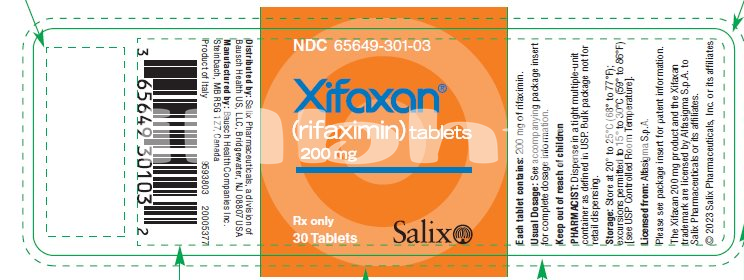
Starting xifaxan can feel straightforward, but it helps to know what your body may experience early on. Some people notice mild nausea, headache, gas, or stomach discomfort as treatment begins. These effects are often temporary and may fade as your system adjusts.
Even so, do not ignore symptoms that feel unusual or intense. Diarrhea, dizziness, or worsening abdominal pain should be watched closely, especially if they interfere with daily activities. If you notice a rash, swelling, or trouble breathing, seek medical help right away.
Most risks are low when xifaxan is taken correctly, yet every patient responds differently. People with liver disease or other ongoing conditions may need closer monitoring because side effects can be more important in certain situations.
The goal is not to worry, but to stay informed. Paying attention to how you feel during treatment can help you catch problems early and keep your recovery on track.
Follow Dosing Instructions Exactly
Take Xifaxan exactly as prescribed, at the same times each day, and finish the full course unless your doctor tells you otherwise. Skipping doses or stopping early can reduce the medicine’s effect and may allow symptoms to return. If a dose is missed, do not double up; instead, follow your prescription instructions or ask your pharmacist for guidance. Small habits, like setting phone reminders or linking doses to meals, can make treatment easier to stay on track.
Also, avoid changing the dose on your own, even if you start feeling better quickly. Xifaxan works best when the amount and timing are kept consistent, helping your body respond steadily throughout treatment. If you have trouble swallowing tablets, keeping track of doses, or remembering your schedule, let your healthcare provider know so they can help.
| Dose | Time |
Watch for Warning Signs during Treatment
As you begin treatment, pay close attention to how your body responds. Mild changes like nausea, bloating, or headache can happen, but sudden or worsening symptoms deserve more attention. If you notice severe diarrhea, fever, abdominal pain, or signs of an allergic reaction such as rash, swelling, or trouble breathing, contact a healthcare professional right away.
It also helps to track anything unusual each day, especially if symptoms feel different from your usual condition. Quick action can prevent a small issue from becoming more serious. When in doubt, trust your instincts and report concerning changes early.