To Buy Prednisolone Online Visit Our Pharmacy ↓
Why Prednisolone Should Never Stop Suddenly
Stopping prednisolone suddenly can jolt the body into crisis. While the medicine is helping control inflammation, your adrenal glands may be temporarily quiet, unable to make enough natural cortisol on their own. That sudden gap can leave you feeling profoundly unwell.
At first, the change may seem mild: fatigue, dizziness, nausea, or aching muscles. But for some people, symptoms can escalate quickly, and blood pressure may drop. In severe cases, this creates a medical emergency rather than a simple discomfort.
A careful taper gives your body time to wake up and resume hormone production gradually. It reduces the shock of withdrawal and helps prevent a return of the original illness. That slow step-down is often the difference between stability and relapse.
| Action | Reason |
|---|---|
| Do not stop abruptly | Protects adrenal function |
Understanding the Body’s Steroid Dependence

When prednisolone is taken for a while, the body may begin to rely on it to control inflammation and maintain balance. The adrenal glands, which normally make cortisol, can slow down their own production because they are getting support from the medication.
This dependence does not mean addiction, but it does mean the body needs time to readjust. If prednisolone is stopped too quickly, cortisol levels can drop before the adrenal system wakes up again, leaving a person tired, weak, and unwell.
How Tapering Protects Hormone Recovery
A gradual prednisolone taper gives the adrenal glands time to wake up and resume their natural cortisol production. When the dose is lowered step by step, the body can adjust without the shock of sudden hormone loss, which helps reduce fatigue, dizziness, and other withdrawal symptoms. This slower transition supports a steadier recovery and makes the process feel more manageable.
Instead of forcing the body to restart overnight, tapering creates a bridge between treatment and normal hormone balance. That bridge is especially important after long-term use, when the body may have become dependent on external steroids. With careful dose reductions, recovery is smoother, safer, and less likely to trigger setbacks.
Warning Signs of Withdrawal to Watch for
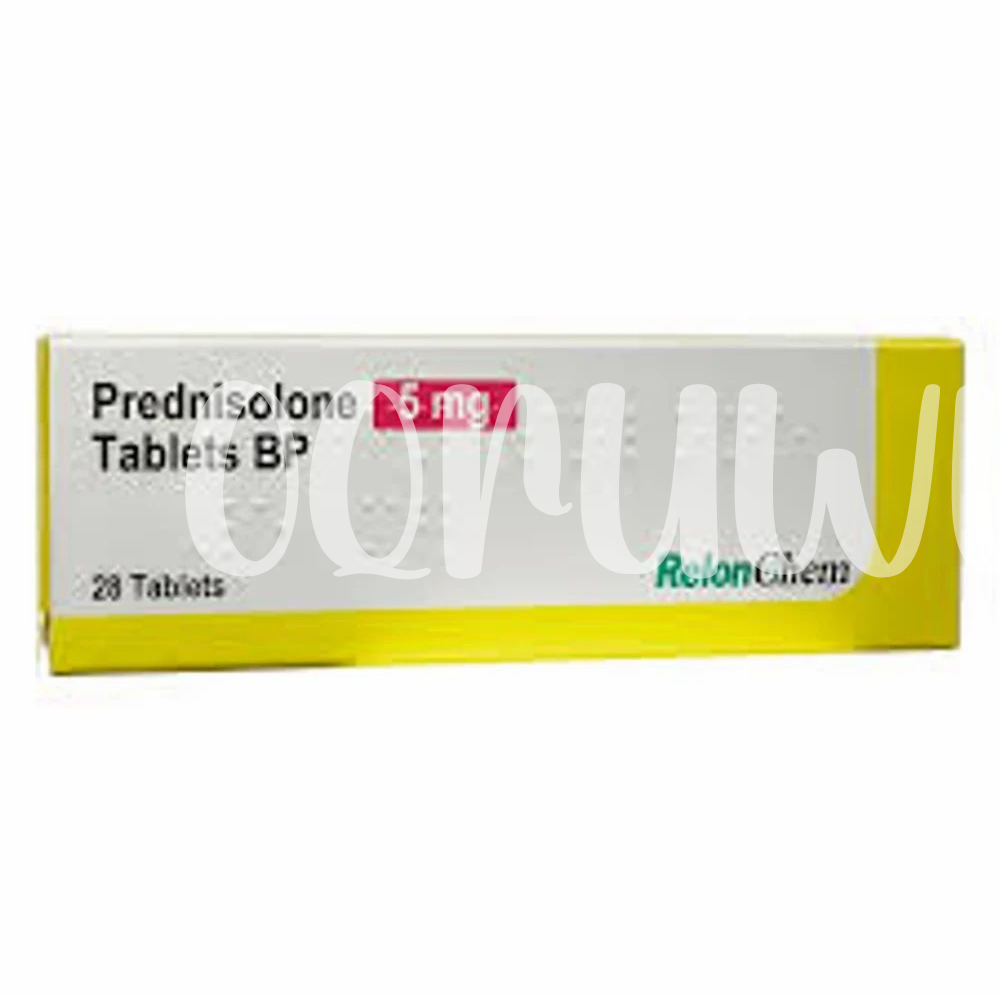
As prednisolone is reduced, some people notice their body protesting in subtle ways. Fatigue can creep in first, making even simple tasks feel unusually heavy, while headaches or body aches may follow.
Mood changes are also common. Irritability, anxiety, low mood, or trouble concentrating can appear when steroid levels fall faster than the body can adjust. These shifts may feel confusing if you expect recovery to be smooth.
Physical signs should not be ignored. Nausea, dizziness, loss of appetite, or weakness can point to withdrawal, especially if they worsen after each dose drop. In some cases, sleep becomes disrupted too.
Any severe symptoms, such as vomiting, fainting, or extreme weakness, need prompt medical attention. Tracking changes early helps patients and doctors respond before withdrawal becomes more serious.
Factors That Shape a Safe Taper
A safe prednisolone taper is never one-size-fits-all. The dose, how long it was used, and the reason for treatment all shape the pace of reduction. Someone who has taken high doses for weeks may need a slower step-down than a person on a short course. Age, other health conditions, and how the body responds also matter, because fatigue or dizziness can signal that the taper is moving too fast.
Doctors often adjust the plan based on symptoms and lab results. A gradual reduction gives the adrenal glands time to restart natural cortisol production. This careful approach lowers the risk of withdrawal and makes recovery steadier, especially when stress, infection, or flare-ups are part of the picture.
| Key factor | Why it matters |
| Duration | Longer use needs slower tapering |
Common Mistakes That Make Withdrawal Harder
A common setback is rushing the process. Some people feel better after a few days and assume their body is ready to cope without support, but steroids leave the system in a delicate balance. Skipping doses, changing the schedule on your own, or stopping because symptoms seem mild can confuse recovery and make fatigue, nausea, joint pain, or dizziness hit harder. The safest approach is usually steady, planned reductions with medical guidance, especially after long-term use or high doses. NHS Prednisolone
Another mistake is overlooking other pressures on the body, such as infection, stress, poor sleep, or dehydration. These can make withdrawal feel more intense and may be mistaken for the original illness returning. Some patients also ignore warning signs, hoping they will pass, which delays needed dose adjustments. Tracking symptoms, keeping follow-up appointments, and reporting any unusual weakness or mood changes early can make tapering much smoother and safer. MedlinePlus Prednisolone