To Buy Periactin Online Visit Our Pharmacy ↓

Understanding Periactin and How It Works
Periactin is the brand name for cyproheptadine, a prescription medicine that belongs to a group of antihistamines. People often know antihistamines for easing allergies, but Periactin has another well-known effect: it can stimulate appetite in some patients. That is why it is sometimes used when weight gain is medically needed or when reduced appetite becomes a concern.
It works by blocking histamine and also influencing serotonin, two chemicals that help regulate allergy symptoms and appetite signals. By reducing these signals, Periactin may lessen sneezing, itching, and watery eyes while making food seem more appealing. Its effects can vary from person to person.
| Effect | What It May Do |
|---|---|
| Antihistamine | Helps relieve allergy symptoms |
| Appetite support | May encourage eating in some users |
Standard Periactin Dosages by Age Group
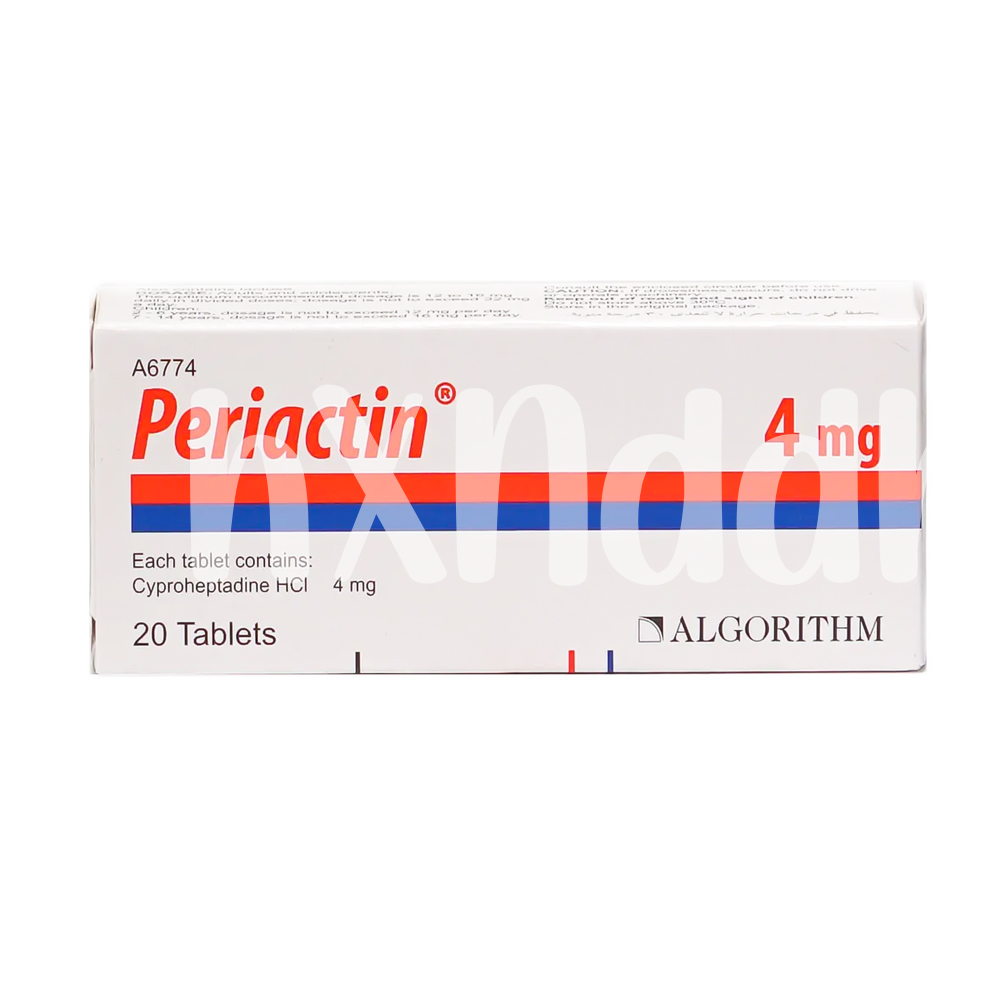
Periactin dosage is usually tailored to age, weight, and the condition being treated, so it is never one-size-fits-all. For adults, doctors often begin with a low dose and adjust it gradually based on response and tolerance. Children may receive smaller, carefully measured amounts, since their bodies process medicines differently and are more sensitive to side effects. In every age group, the goal is to use the smallest effective dose that delivers benefit without causing unnecessary drowsiness or discomfort.
Because periactin can affect people differently, the exact schedule may change from one patient to another. Some older adults need extra caution, while younger patients are monitored closely for sleepiness, dry mouth, or increased appetite. The safest approach is to follow the prescribing instructions exactly and never copy a dose from someone else. A clinician can help determine the right amount, timing, and any needed adjustments over time.
Factors That Influence Your Periactin Dose
Periactin dose is not one-size-fits-all. Doctors often adjust it based on age, body weight, and the reason it is being used, whether for allergies, appetite support, or another medical need. A smaller starting dose may be chosen first to see how the body responds, especially in children or older adults.
Other health factors can also shape the prescription. Liver problems, kidney concerns, and a history of drowsiness may lead a clinician to recommend a lower amount or slower changes. If someone takes other medicines that cause sleepiness, the periactin dose may need extra caution to reduce unwanted effects.
Timing and treatment goals matter too. Some people need the medicine only short term, while others use it longer under close supervision. Because responses vary, following medical guidance is important; even a small adjustment can change how well it works and how comfortable you feel.
When to Take Periactin for Best Results

Periactin often works best when taken at the same time each day, helping your body adjust to a steady routine. Many people prefer an evening dose, especially if drowsiness is a concern during daytime activities.
If your doctor recommends more than one dose, spacing them evenly can support a more consistent effect. Taking periactin after food may also feel gentler on the stomach for some users.
The right timing can depend on why you’re using it, your daily schedule, and how your body responds. For appetite support, some people notice better results when they stay consistent for several days.
Always follow your prescribed directions rather than changing the timing on your own. If you miss a dose or feel unusual sleepiness, ask your healthcare provider for guidance.
Side Effects and Warning Signs to Watch
Periactin can cause drowsiness, dry mouth, dizziness, or blurred vision, especially when you first start taking it. Some people also notice increased appetite or mild constipation, which may be annoying but manageable.
More serious reactions are less common, but they matter. If you feel confused, unusually restless, have a fast heartbeat, trouble urinating, or severe weakness, stop and seek medical advice promptly.
A simple way to stay safe is to watch how your body responds during the first few doses. Avoid alcohol and be careful with driving or tasks that need focus until you know how periactin affects you.
| Common | Watch Closely |
|---|---|
| Sleepiness | Confusion |
| Dry mouth | Fast heartbeat |
Tips for Using Periactin Safely and Smartly
Periactin can be helpful when used with care, so the smartest approach is to follow a clinician’s directions exactly and avoid adjusting the dose on your own. Take it at the same time each day, preferably with food if it upsets your stomach, and keep a simple log of how you feel, especially if drowsiness appears. Because it may intensify sleepiness, be cautious with driving, alcohol, or other sedating medicines. MedlinePlus and NCBI Bookshelf
Good habits make a real difference: drink enough water, store tablets safely away from children, and tell your prescriber about asthma, glaucoma, urinary problems, or any other medicines you use. If you miss a dose, do not double up; simply resume your schedule. Contact a healthcare professional promptly for confusion, severe sleepiness, rapid heartbeat, or unusual behavior, since those may signal that the dose needs review.