To Buy Paxil Online Visit Our Pharmacy ↓
Understanding Paxil’s Role in Mental Health Treatment
Paxil is a prescription antidepressant that belongs to the SSRI class, helping balance serotonin levels in the brain. For many people, it is used to ease depression, anxiety, panic attacks, and related symptoms that can make daily life feel overwhelming. By supporting steadier mood and reducing intense emotional swings, it can help patients regain focus, sleep better, and participate more fully in work, school, and relationships.
Treatment with Paxil is not instant; benefits often build gradually over several weeks. That waiting period can be frustrating, but it is normal, and consistent use matters for the medicine to work well. Doctors usually tailor the dose to each person’s needs, watching for improvement while adjusting if side effects become a concern.
| Paxil | SSRI antidepressant |
| Main goal | Reduce depression and anxiety symptoms |
How Alcohol Interacts with Paxil in the Body
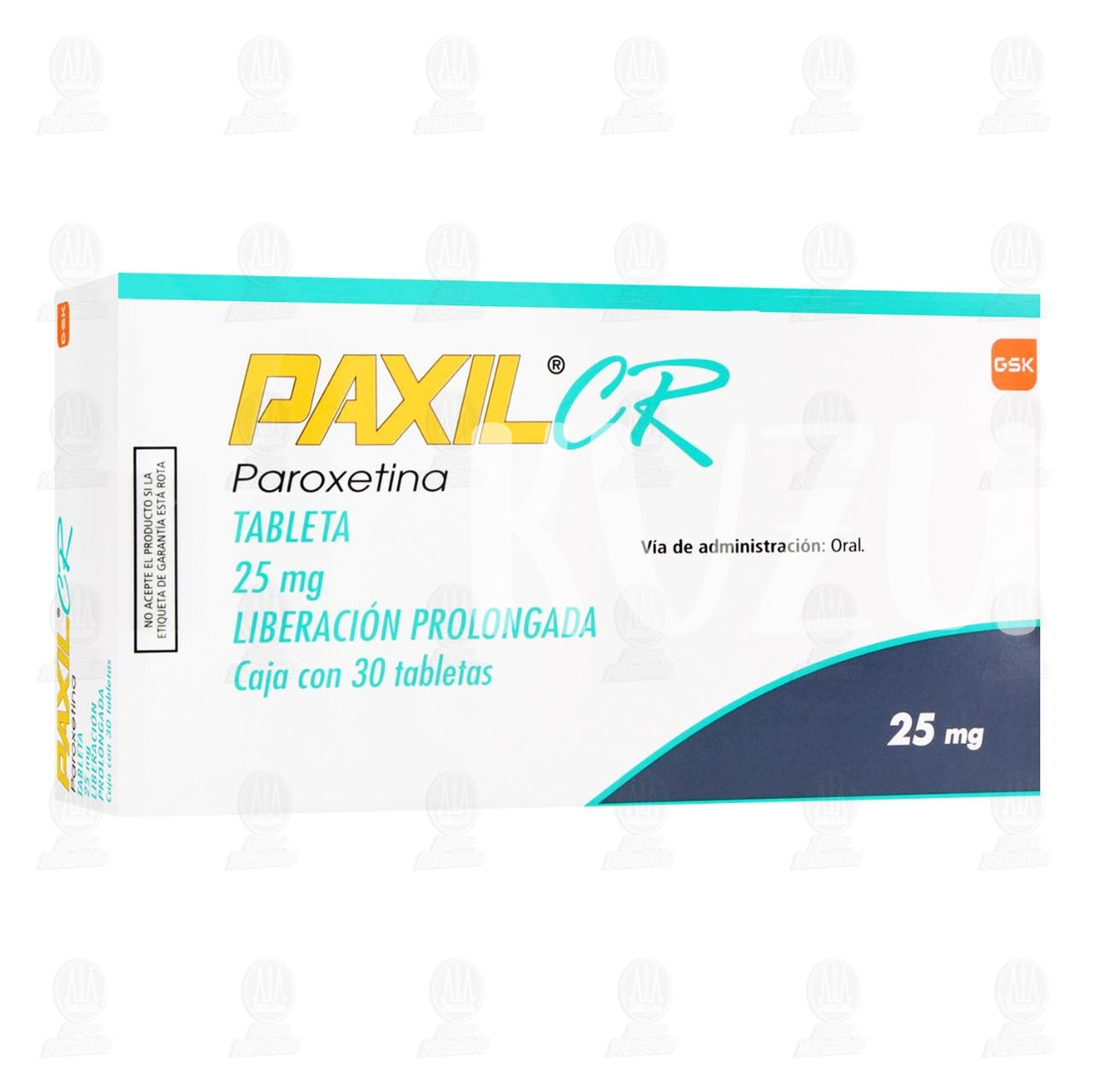
When paxil and alcohol meet in the body, they can affect the brain’s chemistry in overlapping ways. Paxil changes serotonin signaling, while alcohol slows central nervous system activity, so together they may intensify dizziness, drowsiness, confusion, and poor coordination. For some people, the combination can also make thinking feel cloudy and emotions less stable.
Alcohol may also interfere with how well paxil works, especially if drinking becomes regular. The result can be a stronger sense of fatigue one day and a worsening of anxiety or depression the next. Even modest drinking can shift how the medication feels, making the interaction more unpredictable than it first appears.
Common Side Effects of Mixing Both Substances
Mixing alcohol with paxil can turn a normal evening into a rough one. You may notice stronger drowsiness, slower reactions, or a foggy feeling that makes simple tasks harder than expected.
Some people also experience dizziness, nausea, headaches, or an upset stomach. Alcohol can intensify Paxil’s side effects, and even a small amount may leave you feeling more unsteady, emotional, or unusually tired.
The combination can affect mood too, sometimes increasing anxiety or lowering your sense of control. That matters because paxil is meant to support stability, while alcohol may work in the opposite direction and make symptoms harder to manage.
If these effects show up, take them seriously. They may pass, but they can also signal that your body is reacting poorly to the mix.
When Small Amounts of Alcohol May Still Matter
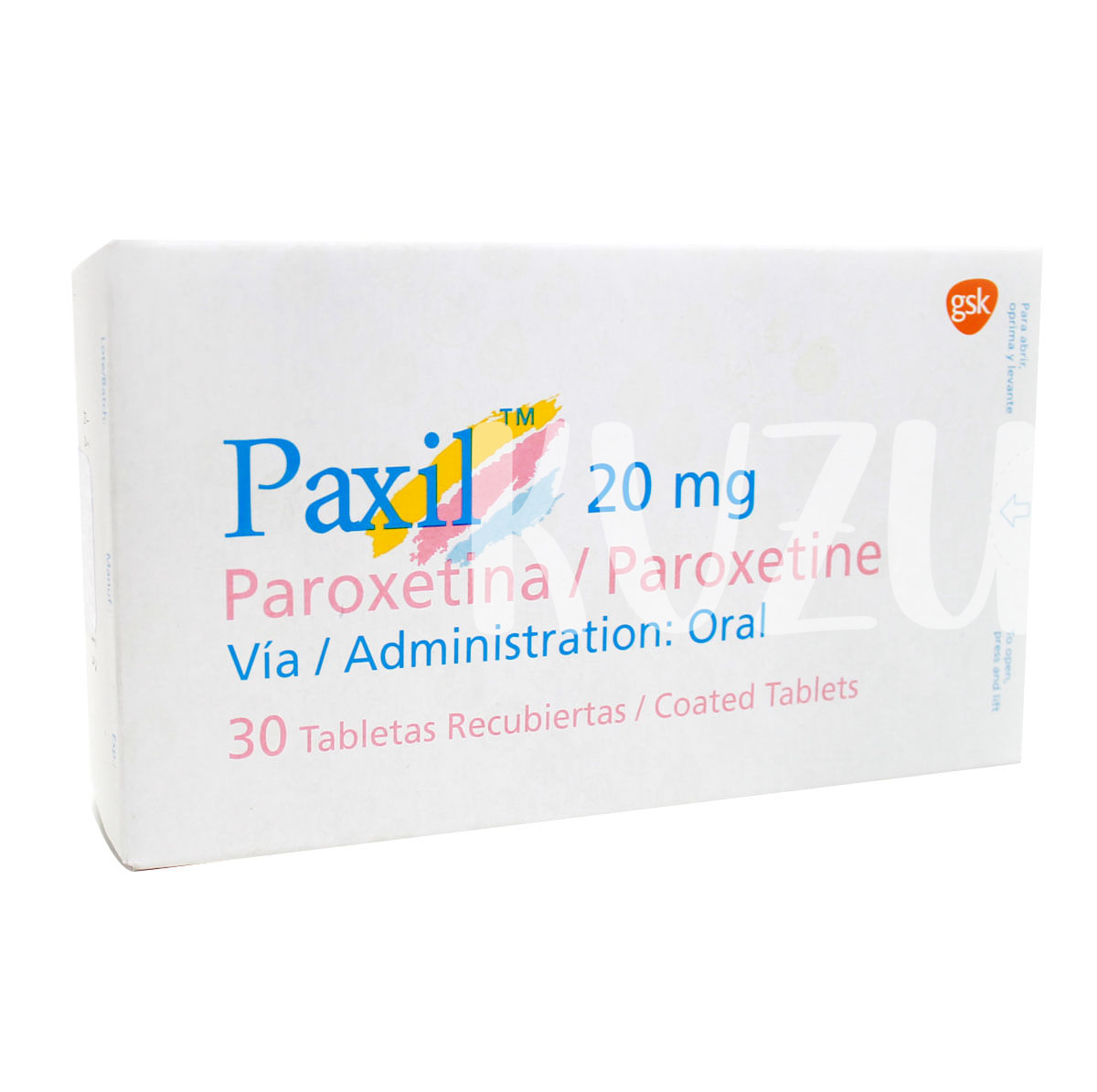
Even a single drink can feel harmless, yet with Paxil it may change the way your body and mind respond. Alcohol can amplify drowsiness, slow reaction time, and make dizziness or nausea more noticeable, especially if you are new to the medication or still adjusting to a dose. For some people, that “just one glass” also lowers inhibition enough to worsen mood, anxiety, or sleep later in the night.
Small amounts may matter more on busy days, when you need to drive, work, or stay mentally sharp. The effect is not always dramatic, but it can be unpredictable. If you notice feeling unusually tired, foggy, or off-balance after drinking, it is a sign your system may be more sensitive than you expected.
Warning Signs You Should Never Ignore
If you take Paxil and drink alcohol, listen closely to your body. A sudden surge of dizziness, faintness, or confusion can signal that the combination is hitting harder than expected.
Other red flags include severe drowsiness, trouble walking, slurred speech, or unusual agitation. If your mood drops sharply, you feel panicked, or you begin having thoughts of self-harm, don’t wait to see if it passes.
A rapid heartbeat, vomiting, or breathing that feels slow or shallow also deserves immediate attention. These symptoms can become dangerous, especially if alcohol was more than a small amount or if other medicines were involved.
| Symptom | Why it matters |
|---|---|
| Confusion | May indicate dangerous CNS effects |
| Breathing problems | Needs urgent care |
Safer Choices and Questions for Your Doctor
If you’re taking Paxil, the safest choice is usually to avoid alcohol or keep intake very limited. Even a small drink can affect mood, coordination, and sleep, making it harder to tell whether side effects come from the medication or the alcohol.
Before drinking, ask your doctor how Paxil may change your reaction to alcohol. Mention any history of depression, anxiety, or substance use, since these can influence what is safe for you.
You can also ask whether a different timing, dose adjustment, or medication would better fit your routine. A clear plan helps reduce surprises and keeps treatment on track.
If you ever feel unusually sleepy, dizzy, or emotionally off after drinking, stop and check in with your healthcare provider.