To Buy Lopressor Online Visit Our Pharmacy ↓
Understanding Lopressor and How It Works
Lopressor is a prescription beta-blocker that helps calm an overworked heart. By blocking certain stress signals, it slows the heartbeat and reduces how hard the heart must pump. Many people first notice this effect as a steadier pulse and less strain during daily activities.
In practical terms, that means the heart can use oxygen more efficiently, especially when blood pressure is high or the heart has been irritated by disease. It may also help prevent dangerous rhythm changes, making each beat feel more controlled and predictable.
| Effect | What it means |
| Slows heart rate | Reduces workload |
| Lowers blood pressure | Eases vessel pressure |
| Improves rhythm control | Supports steadier beats |
Heart Conditions That May Need Lopressor

Lopressor is often considered when the heart is working too hard and needs extra protection. It may be prescribed for people with high blood pressure, because lowering pressure can reduce strain on the arteries and heart muscle.
It is also used after a heart attack, when the heart is vulnerable and recovering. By slowing the heartbeat and easing demand, lopressor can help limit further damage and support healing during this critical period.
Some patients with angina, or chest pain caused by reduced blood flow, may benefit as well. In certain cases of abnormal heart rhythms, doctors may choose it to help the rhythm stay steadier and the pulse less rapid.
For people with chronic heart failure or other cardiovascular risks, lopressor may be part of a larger treatment plan. The exact choice depends on symptoms, test results, and overall health.
Key Symptoms Suggesting Lopressor May Help
When the heart starts racing without clear reason, chest tightness appears, or blood pressure stays high despite healthy habits, these can be signs that treatment may be needed. Some people also notice palpitations, shortness of breath, or feeling unusually winded during simple activities. In these moments, lopressor may be considered to ease the strain on the heart.
It is especially helpful when symptoms suggest the heart is working too hard after a heart attack, with certain rhythm problems, or during episodes of frequent pounding beats. People may describe a fluttering chest, fatigue, or dizziness that disrupts daily life.
These warning signs do not confirm a diagnosis, but they do signal a need for medical attention. A doctor can decide whether lopressor fits the condition and helps reduce the burden on the heart.
Who Should Avoid or Use Caution
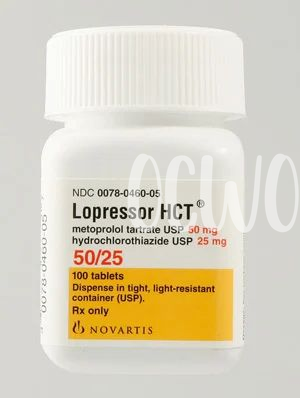
Lopressor is not a good fit for everyone. People with very slow heart rates, certain heart blocks, or a history of severe asthma or COPD should be especially careful, because the medicine can make breathing or circulation problems worse. Those with very low blood pressure may also feel dizzy or faint when starting treatment.
Extra caution is needed for people with diabetes, since lopressor can mask signs of low blood sugar, such as a rapid heartbeat. It may also interact with other heart medicines, making effects stronger than expected.
If you are pregnant, breastfeeding, or have liver problems, your doctor may want to adjust the dose or consider another option. A careful review of your health history helps keep treatment safer.
Benefits and Risks of Lopressor Treatment
Lopressor can be a steady ally for people whose heart works too hard. By slowing the heartbeat and easing the force of each beat, it may lower blood pressure, reduce chest pain, and help protect the heart after a heart attack. For many patients, that relief brings more energy and less strain in daily life.
Still, lopressor is not free of drawbacks. Some people notice tiredness, dizziness, cold hands, or a slower pulse. In others, it may worsen breathing problems or cause low blood pressure, so doctors usually watch closely when treatment begins or doses change.
| Benefit | Possible Risk |
|---|---|
| Lower heart workload | Fatigue |
| Better blood pressure control | Dizziness |
The key is balance: the right patient may gain meaningful protection, while the wrong one may face avoidable problems. Regular follow-up helps make lopressor safer and more effective.
Talking with Your Doctor about Lopressor
A thoughtful conversation with your doctor can clarify whether this medicine fits your heart health needs. Bring a list of your symptoms, current prescriptions, and any history of asthma, diabetes, or low blood pressure.
Your doctor may ask about chest pain, palpitations, or past heart attacks to judge whether treatment could help. It is also important to mention allergies and how you usually respond to blood pressure medicines.
Ask how to take it, what side effects to watch for, and what to do if you miss a dose. Understanding the plan makes it easier to stay safe and consistent.
If you feel dizzy, unusually tired, or short of breath after starting treatment, contact your doctor promptly. Clear communication helps tailor care and supports better heart control over time.