To Buy Lisinopril Online Visit Our Pharmacy ↓

What Lisinopril Does Inside the Body
Lisinopril works by quieting a body system called the renin-angiotensin-aldosterone system, which normally tightens blood vessels and raises pressure.
By blocking an enzyme that helps make angiotensin II, it allows blood vessels to relax and widen, so blood can move with less resistance.
This also reduces aldosterone release, which means the kidneys hold onto less salt and water, easing the workload on the heart and circulation.
Over time, that smoother flow can help lower blood pressure and protect the heart and kidneys.
How Quickly Blood Pressure Starts to Change
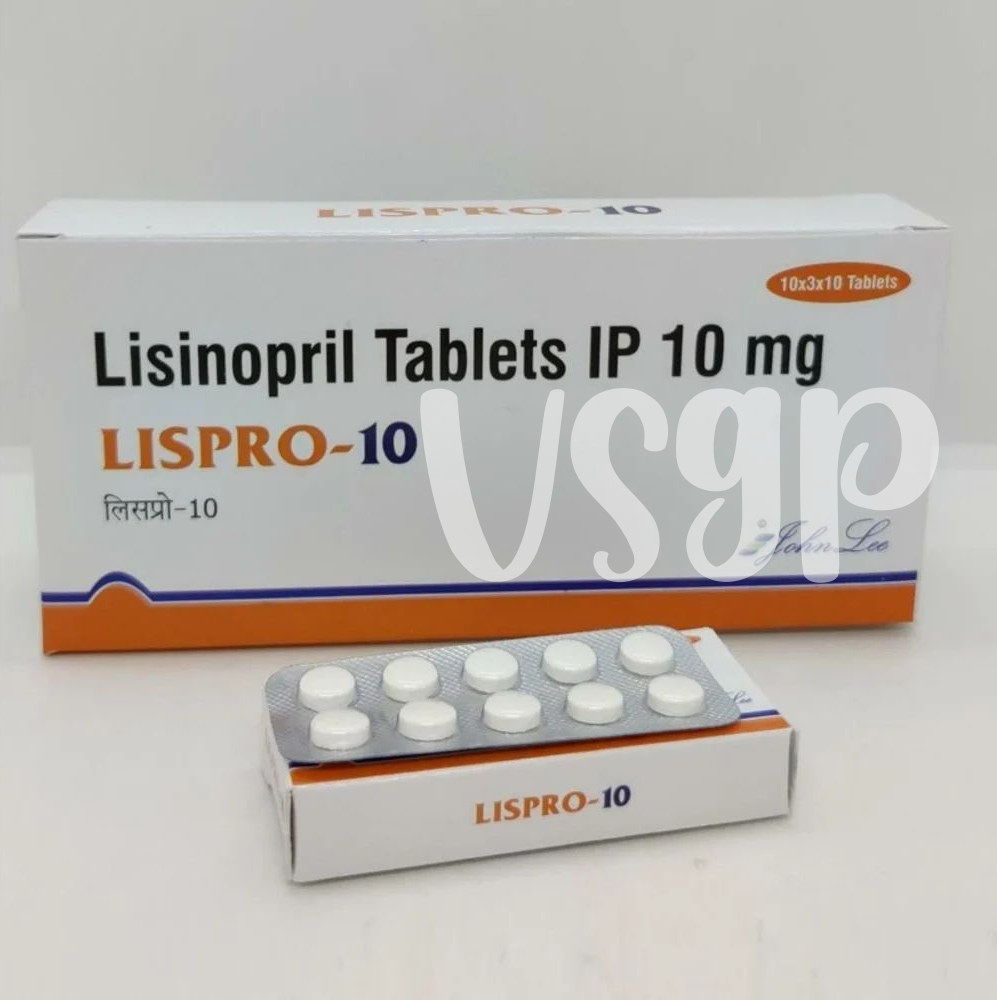
After the first dose of lisinopril, blood pressure may begin to ease within about an hour, though the effect is often modest at first. For many people, the change feels subtle rather than dramatic, especially if readings are only checked occasionally.
Over the next 24 hours, the medicine continues to lower pressure as it works through the day. Some people notice a steadier trend after a few doses, while others need regular use for the full benefit to become clear.
Factors That Affect Lisinopril’s Onset
lisinopril doesn’t work at the same speed for everyone. The dose you take, how often you take it, and whether it’s being used alone or with another medicine can all shape how quickly you notice a change. Your starting blood pressure and overall health matter too, especially if you have kidney issues, heart disease, or dehydration.
Even daily habits can influence the timeline. A salty diet, missed doses, alcohol, or other blood pressure drugs may blunt the effect, while steady use helps the medicine build a more reliable response. That’s why one person may feel a difference sooner, while another needs more time.
When You Might Notice Full Benefits

For many people, lisinopril does not feel fully effective right away. While blood pressure may begin to shift within hours, the more noticeable benefits often build gradually over days or even a few weeks. This slow progression is normal and gives the medication time to steady the body’s response.
You may start to notice the full effect after about two to four weeks, especially if your dose has been adjusted carefully. In some cases, it can take longer for the numbers on a blood pressure reading to settle into a better range.
The experience can feel subtle at first. You might not “feel” different, but your readings may improve, your heart may work less hard, and swelling or strain linked to high blood pressure may ease.
Consistency matters most. Taking lisinopril at the same time each day helps it work steadily, so patience and regular follow-up are key while the full benefits develop.
Common Reasons It May Seem Slow
If lisinopril seems to take longer than expected, the reason is often simple: blood pressure changes can be subtle, and you may not feel them right away. Some people expect a sudden shift, but this medicine usually works gradually, with readings improving before any noticeable sensation.
Missed doses, starting on a low dose, or taking other medicines that affect blood pressure can also make progress appear slow. Stress, high salt intake, and inconsistent home monitoring may hide improvement too. A small table can help track daily readings and spot real changes over time.
Signs It’s Working and When to Call Doctor
As lisinopril begins to do its job, many people notice steadier blood pressure readings, less pounding in the chest, and a general sense of calm during daily activity. Some may also see reduced swelling if the medicine is helping the heart or kidneys work more efficiently. Because the change can be subtle, tracking home readings over time often gives the clearest picture. Improvement may not feel dramatic, but gradual progress is a good sign the treatment is taking hold.
Call a doctor if dizziness is severe, blood pressure drops too low, swelling appears in the face or throat, or a persistent cough becomes troublesome. Also seek advice if readings stay high after several weeks, or if new symptoms such as fainting, chest pain, or trouble breathing appear.