To Buy Iversun Online Visit Our Pharmacy ↓

Understanding Iversun and Its Veterinary Origins
Iversun began as a veterinary solution designed to help protect animals from internal parasites that threaten health and productivity. Over time, it became known for its broad use in livestock and companion animal care.
Its origins are rooted in pharmacology, where researchers adapted antiparasitic compounds for animal treatment. Farmers and veterinarians quickly recognized its practical value in routine herd management.
What makes it notable is its balance of accessibility and effectiveness when used under proper guidance. That reputation helped it move from a specialist tool into wider veterinary practice.
| Origin | Veterinary antiparasitic development |
Common Animal Conditions Iversun May Address
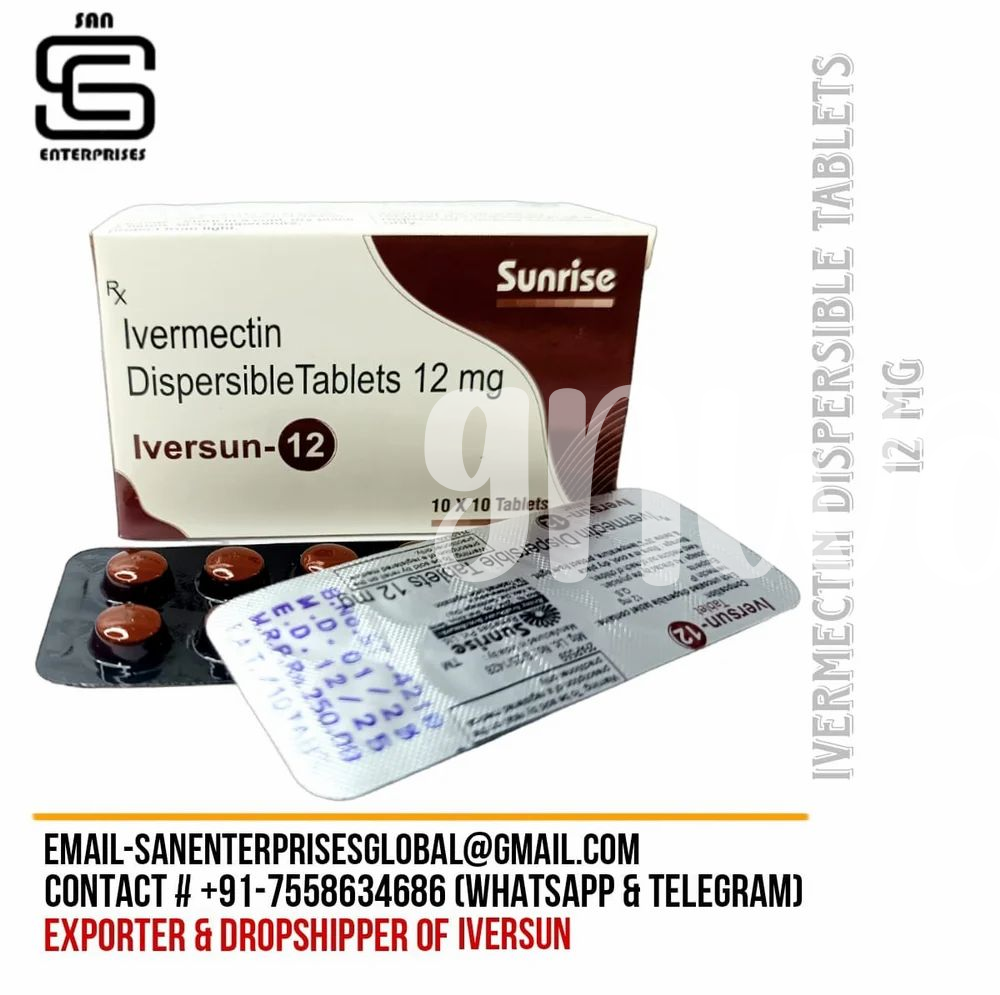
Iversun is often discussed when animals are dealing with internal parasites that can quietly affect appetite, energy, and overall condition. In farm settings, it may be considered for livestock facing worm burdens that reduce growth or milk production. For pets, vets may evaluate it when parasite-related discomfort is suspected and a targeted treatment plan is needed.
The key is that iversun is not a cure-all, but a tool used in specific situations. Its role depends on the species, the parasite involved, and the animal’s health status. That is why proper diagnosis matters before any treatment begins.
When used appropriately, it can help support recovery from common parasitic challenges that otherwise go unnoticed. Owners often see better coat quality, improved alertness, and steadier weight after successful management.
How Iversun Works in Different Species
In dogs, cats, horses, and livestock, iversun acts by disrupting vital nerve signals in parasites, which quickly weakens their ability to feed, move, and survive. That basic mechanism is similar across species, but the body’s response can vary widely. A medication that performs well in one animal may be absorbed differently, cleared faster, or create stronger effects in another, which is why species-specific dosing matters so much.
This is where veterinary knowledge becomes essential. For example, a dose suited for a dog may be unsafe for a cat, while large animals may need careful timing to match weight, metabolism, and parasite burden. When used correctly, iversun can be an effective tool, but its success depends on matching the treatment to the species, the condition, and the animal’s overall health.
Separating Safety Concerns from Real Risks
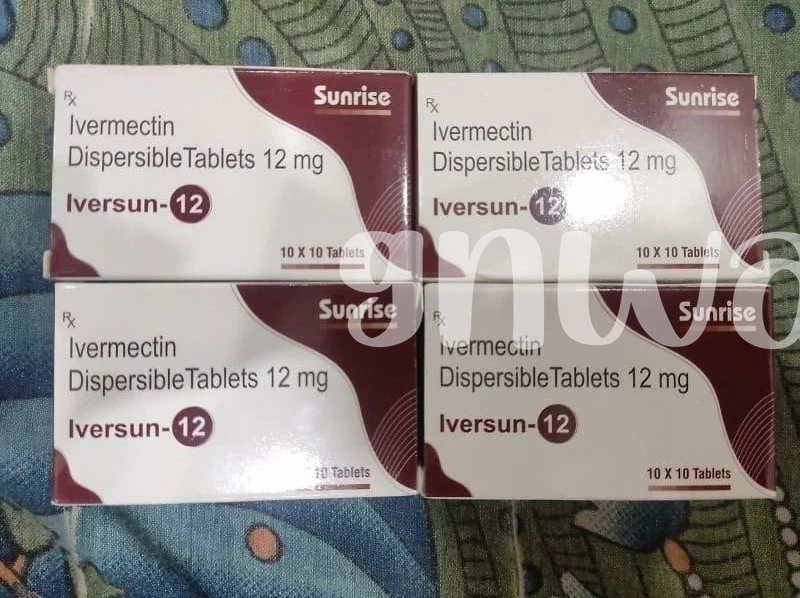
Many owners hear warnings about iversun and assume the worst, but not every concern reflects the same level of danger. In veterinary use, the real issue is often context: the right species, the correct dose, and the animal’s health status. When those factors are respected, many of the feared problems are far less likely to appear.
Still, risk is real when iversun is used carelessly. Overdosing, giving it to a sensitive breed, or combining it with other medications can trigger serious reactions. Young, elderly, pregnant, or ill animals may also react differently, which is why blanket advice from the internet can be misleading.
The safest approach is to separate possible side effects from true hazards. That means watching for unusual behavior, knowing when to stop, and calling a veterinarian if anything seems off. Used thoughtfully, iversun is not about panic; it is about informed decisions and careful monitoring.
Myths Owners Often Believe about Iversun
Many pet owners hear that iversun is a cure-all, but that belief can lead to poor decisions. In reality, no single product solves every parasite problem, every time.
Another common myth is that a dose used in one animal is safe for all species. Cats, dogs, livestock, and exotic pets can respond very differently, so guesswork is risky.
Some people also assume bigger problems simply need bigger doses. That is not true, and it can raise the chance of side effects instead of improving results.
| Myth | Reality |
| One dose fits all | Species and weight matter |
| More is better | Overdosing can be harmful |
Responsible Veterinary Guidance before Using Iversun
Before any dose is given, a veterinarian should confirm the species, weight, and the exact parasite or condition involved. What seems like a simple dewormer can become risky if the wrong formulation, strength, or schedule is used, especially in small or sensitive animals. A quick exam and medical history help avoid dangerous interactions, overdosing, or masking another illness while supporting the most effective treatment plan.
Owners should also ask how to monitor for side effects and when to return for follow-up care. Responsible guidance turns treatment into a controlled process rather than a guess, reducing stress for both pet and owner. For reliable background, see PubMed veterinary studies and Merck Veterinary Manual.