To Buy Flagyl Online Visit Our Pharmacy ↓
What Flagyl Does and Why It’s Prescribed
Flagyl is a medication many people first meet during an uncomfortable infection, when symptoms leave them tired, anxious, and eager for relief. It works by targeting certain bacteria and parasites, helping the body regain balance and reduce the infection’s spread.
Doctors commonly prescribe it for stomach, dental, skin, and vaginal infections, as well as some intestinal illnesses. In each case, the goal is the same: stop harmful microbes that other medicines may not handle well enough.
While the name sounds technical, the purpose is simple. By clearing infection at its source, Flagyl can relieve pain, lower fever, and help prevent complications that might otherwise linger.
| Use | Purpose |
|---|---|
| Infections | Targets bacteria and parasites |
| Recovery | Helps the body heal faster |
The Real Risks of Mixing Flagyl and Alcohol
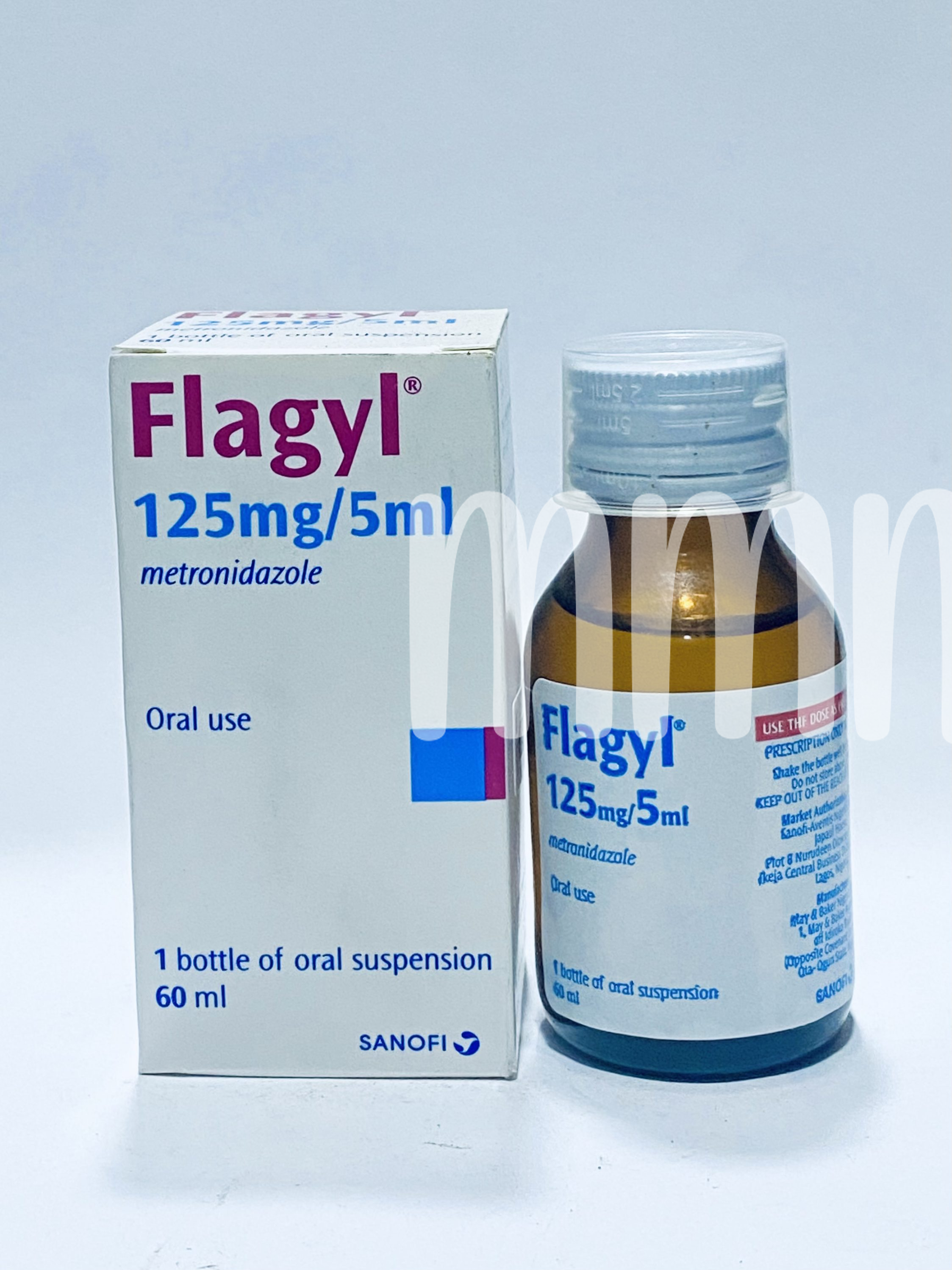
Mixing flagyl with alcohol can turn a routine treatment into a miserable experience. What might seem like “just one drink” can trigger an intense, unwanted reaction that catches people off guard fast.
Within hours, some people notice throbbing headaches, nausea, vomiting, flushing, stomach cramps, and a racing heartbeat. The discomfort can be strong enough to disrupt work, sleep, and even basic daily activities.
The danger is not only feeling sick. Severe reactions may lead to dehydration, dizziness, and weakness, especially if vomiting continues. For some, this can mean a trip to urgent care.
Because of these risks, it’s best to treat alcohol as off-limits while taking flagyl. Even small amounts may cause trouble, so caution is the safest choice.
How the Body Reacts to This Dangerous Combo
When flagyl and alcohol meet in the body, the reaction can feel sudden and intense. Instead of processing both safely, the liver is overwhelmed, and unpleasant byproducts build up quickly.
That disruption may trigger flushing, pounding headaches, nausea, vomiting, dizziness, and a racing heartbeat. For some people, the symptoms appear within minutes and can make them feel far sicker than expected.
What starts as a simple drink can turn into a stressful physical reaction that drains energy and confidence. Because the response is unpredictable, even small amounts of alcohol can make recovery harder and more uncomfortable.
Common Warning Signs You Should Never Ignore
If you take Flagyl and then drink alcohol, your body may react quickly and loudly. Nausea, vomiting, flushing, headache, dizziness, and stomach cramps can appear within minutes or hours, making a simple evening out feel suddenly unbearable. Some people also notice a fast heartbeat or a strange metallic taste, which can add to the discomfort and signal that something is wrong. These symptoms are not just unpleasant—they are your body’s warning that the mix is causing a reaction you should not brush off.
If the symptoms become severe, such as repeated vomiting, trouble breathing, chest pain, fainting, or intense confusion, seek medical help right away. Even milder warning signs deserve attention, especially if they do not fade quickly. Stop drinking alcohol immediately, rest, and contact a healthcare professional for guidance. Listening to these signals can prevent the reaction from escalating and help keep your treatment on track.
How Long to Avoid Alcohol after Flagyl
After a course of Flagyl, alcohol should stay off the menu a little longer than you might expect. Even when the last pill is gone, your body may still need time to clear the medication completely, and rushing back to drinks can trigger nausea, flushing, cramps, or a pounding headache. That uncomfortable reaction is the reason doctors usually give a strict waiting period, and it’s best to treat that advice seriously rather than test your luck.
A practical approach is to wait at least 48 hours after finishing Flagyl, and longer if your clinician recommends it. This buffer gives your system time to recover and lowers the chance of a sudden, unpleasant reaction. If you are unsure, ask your pharmacist or prescriber before reaching for a drink.
| Safe buffer | At least 48 hours after the final dose |
Smart Tips for Staying Safe during Treatment
Read the medication label carefully and follow your prescriber’s instructions exactly. If you are unsure whether a drink, cough syrup, or mouthwash contains alcohol, check the ingredients or ask a pharmacist before using it.
Make a simple plan for your treatment window. Keep alcohol out of the house if that helps, and choose nonalcoholic options at social events so you are not tempted by habit or pressure.
Tell family or friends that you are taking an antibiotic and need support staying away from alcohol. If you forget a dose or accidentally drink, contact your healthcare provider for advice rather than guessing.
Pay attention to your body, rest well, and stay hydrated. A little preparation can prevent a rough reaction and help the medicine do its job safely.