To Buy Doxycycline Online Visit Our Pharmacy ↓

How Doxycycline Triggers Sun Sensitivity
Doxycycline can make skin react more strongly to sunlight because it acts like a light-absorbing molecule in the body. When UV rays hit the drug in the skin, they can trigger a chemical reaction that increases inflammation and damages skin cells more easily than usual.
That means a brief walk, a drive, or sitting near a window may lead to redness, burning, or a rash faster than expected. People often notice their skin stinging before it looks obviously sunburned, which is why this side effect can feel surprising.
| Effect | What it may feel like |
| UV reaction | Burning or redness |
| Skin irritation | Stinging or rash |
Everyday Sunscreen Habits That Really Protect
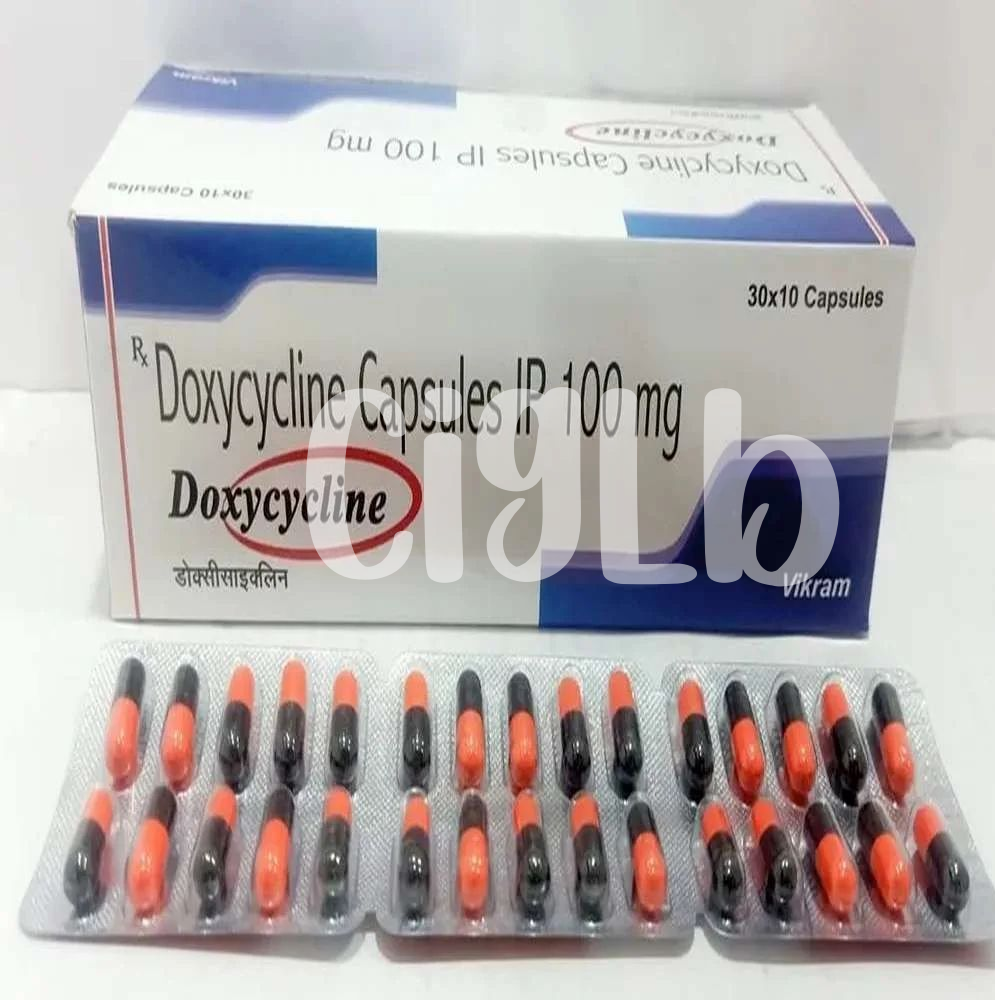
When you’re taking doxycycline, sunscreen becomes more than a summer accessory—it’s part of your daily routine. Choose a broad-spectrum formula with SPF 30 or higher, and apply it generously before heading outside.
Don’t wait until the sun is intense. Put it on every morning, even on cloudy days or during short errands. A good habit is reapplying every two hours, and sooner if you sweat or swim.
Pay attention to easy-to-miss spots: ears, neck, hands, feet, and the back of your arms. These areas often catch sunlight first and can react quickly when skin is more sensitive than usual.
The best protection is consistent, not occasional. Keep a bottle by the door, in your bag, or near your toothbrush so sunscreen becomes automatic, helping you stay comfortable and protected throughout the day.
Clothing Choices That Block Uv Better
When you’re taking doxycycline, what you wear can matter almost as much as the shade you seek. Loose, tightly woven fabrics help keep ultraviolet rays from reaching skin, while dark colors and thicker materials usually block more light than thin, pale shirts. Long sleeves, full-length pants, and a wide-brimmed hat create a simple barrier that can make outdoor time feel safer and less stressful.
If you expect to be outside for hours, choose clothing labeled UPF for extra defense. A lightweight scarf can protect the neck, and sunglasses with UV protection help shield the eyes. Even small upgrades, like swapping a tank top for a breathable long-sleeve layer, can reduce the chance of a painful sun reaction.
Smart Timing for Outdoor Activities
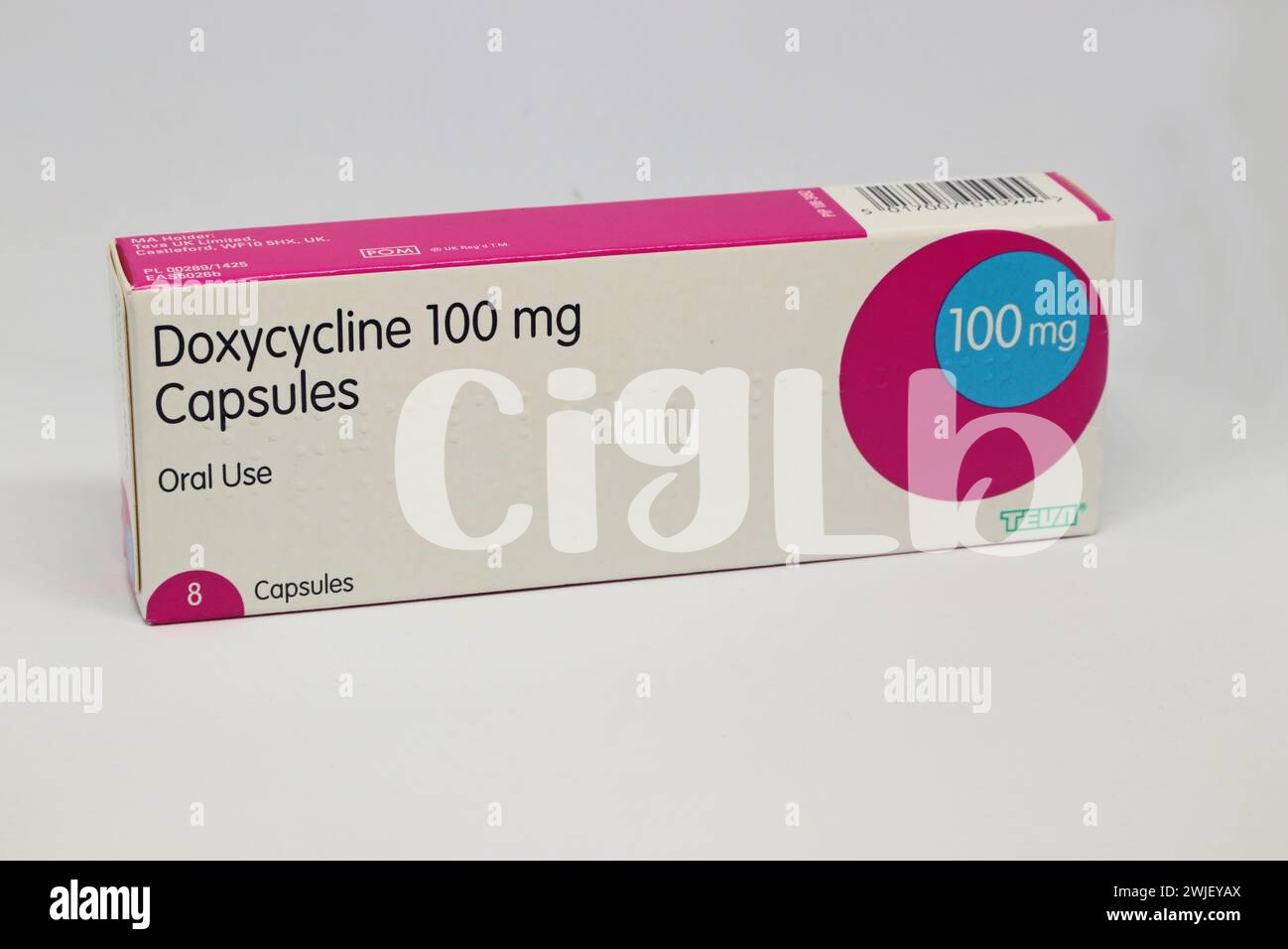
Plan errands, walks, and workouts for the cooler parts of the day, when the sun is lower and less intense. Early morning and late afternoon usually offer gentler light, shorter UV exposure, and more comfortable temperatures.
If you take doxycycline, this timing matters even more. The medication can make skin react faster to sunlight, so a quick grocery run at noon may feel harmless but still trigger redness or burning later. Choosing shaded hours can reduce that risk.
When possible, check the UV index before heading out. A high reading means even brief exposure can add up, so shift exercise indoors, delay gardening, or split outdoor tasks into smaller sessions with breaks inside.
Think of the day as a schedule to work with, not against. By matching outdoor plans to safer daylight windows, you protect your skin without giving up movement, fresh air, or the routine you enjoy.
Recognizing Early Signs of Sun Reaction
The first clues can seem mild: skin that reddens faster than usual, a warm sting on the face, neck, or hands, or an itchy, tight feeling after only brief sun exposure. With doxycycline, these reactions may appear sooner than expected, so noticing them early matters.
A small patch of roughness or tiny bumps can be your skin’s warning sign. If you feel burning before the day is over, step inside and check for uneven redness, swelling, or tenderness. These symptoms often mean your skin is becoming unusually reactive.
| Watch for | What it may mean |
| Redness | Early irritation |
| Stinging | Sun sensitivity |
What to Do after Unexpected Exposure
Step indoors or into shade as soon as possible, and cool the skin with a damp cloth or lukewarm shower. Avoid more sun that day, even through windows if the exposure was strong.
If redness or stinging begins, apply a fragrance-free moisturizer or aloe gel to calm the skin. Drink water, rest, and skip alcohol, hot tubs, and exfoliating products.
Watch for blistering, swelling, fever, or severe pain. These can mean a stronger reaction and should be checked by a clinician promptly.
For the next few days, keep the area protected with clothing and broad-spectrum sunscreen, and remember to review your doxycycline precautions before heading outside again.