To Buy Amoxicillin Online Visit Our Pharmacy ↓

Recognizing Early Signs of Amoxicillin Allergy
At first, an amoxicillin allergy may seem like a minor reaction, but early clues can appear quickly after a dose. A person might notice itching, flushing, or small red spots that were not there before. Sometimes the skin feels hot, tight, or unusually sensitive, signaling that the body is reacting to the medicine.
These signs can start within minutes or after several doses, which makes them easy to dismiss. However, new swelling around the lips, face, or eyes should never be ignored, even if the person still feels mostly fine.
| Early sign | What it may mean |
|---|---|
| Itching | Possible allergic response |
| Red rash | Skin is reacting |
Pay close attention if symptoms spread or worsen. What begins as mild discomfort can become a stronger allergic response, so early recognition is the safest first step.
Skin Reactions That Should Raise Alarm
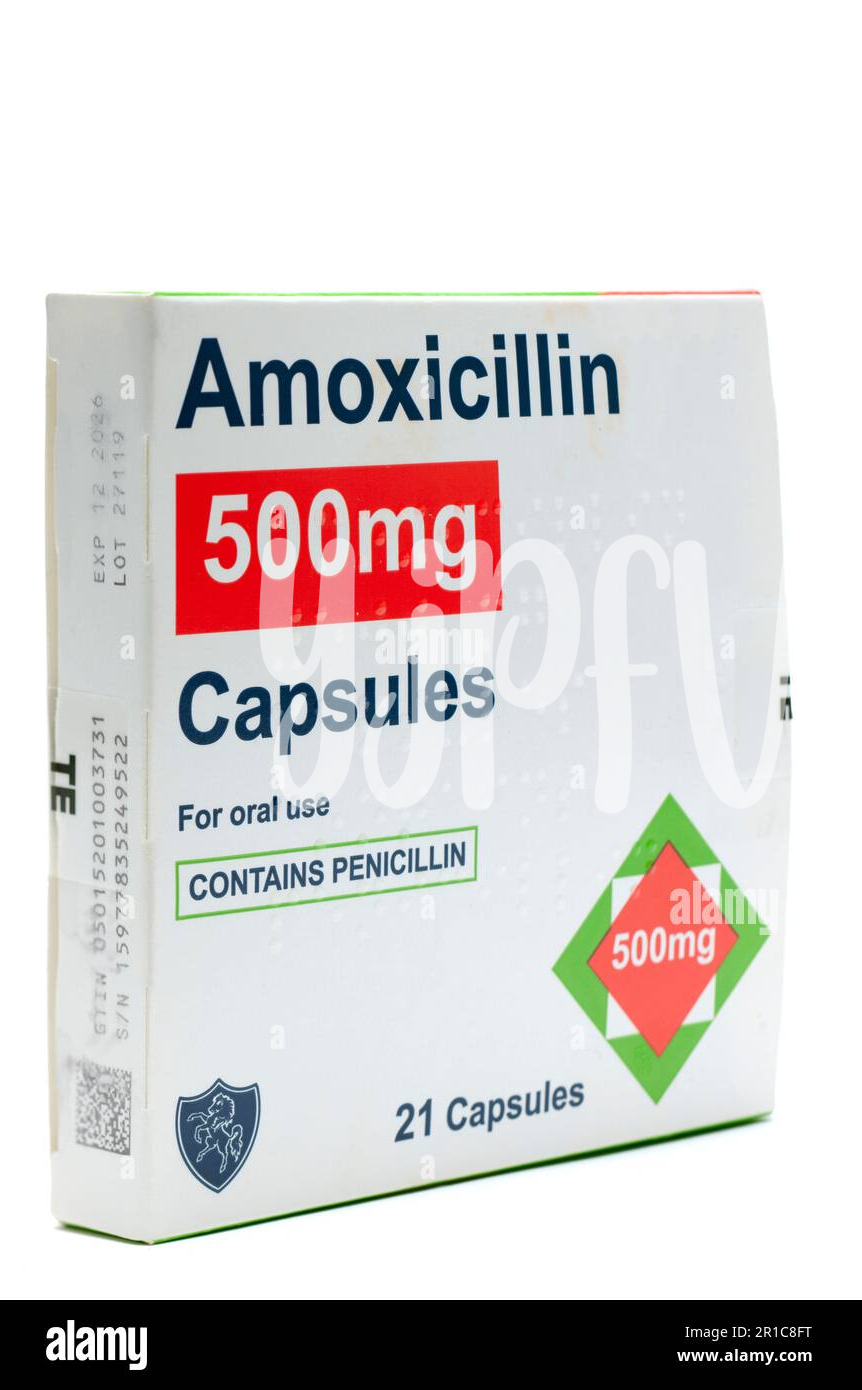
A rash after taking amoxicillin may seem minor at first, but some skin changes deserve immediate attention. Watch for hives that appear quickly, intense itching, or red patches spreading across the body. These can signal a true allergy rather than a routine reaction.
Blistering, peeling skin, or sores inside the mouth are especially alarming. If the skin becomes painful, swollen, or begins to darken, treat it as urgent. A fever with rash can also point to a more serious immune response.
Sometimes the reaction starts with a few raised bumps and then worsens within hours. Even if the rash fades, do not ignore it if it returns stronger after another dose of amoxicillin.
When in doubt, stop the medicine and seek medical help right away. Early action can prevent a mild warning sign from becoming a dangerous emergency.
Breathing Problems Needing Immediate Attention
Shortness of breath after taking amoxicillin can begin subtly, like a tight feeling in the chest or a cough that seems out of place. For some people, the reaction escalates quickly, making it hard to speak in full sentences or take a deep breath. When breathing changes appear soon after a dose, they deserve urgent attention.
Wheezing, noisy breathing, or swelling around the lips, tongue, or throat can signal a serious allergic response. These symptoms may come with panic, dizziness, or a racing heartbeat as the body struggles for air. Even if the discomfort seems mild at first, it can worsen fast.
If breathing feels difficult, call emergency services immediately and do not take another dose of amoxicillin. While waiting for help, stay upright, loosen tight clothing, and keep someone nearby. Fast action can prevent a dangerous reaction from becoming life-threatening.
Digestive Symptoms Often Mistaken for Side Effects
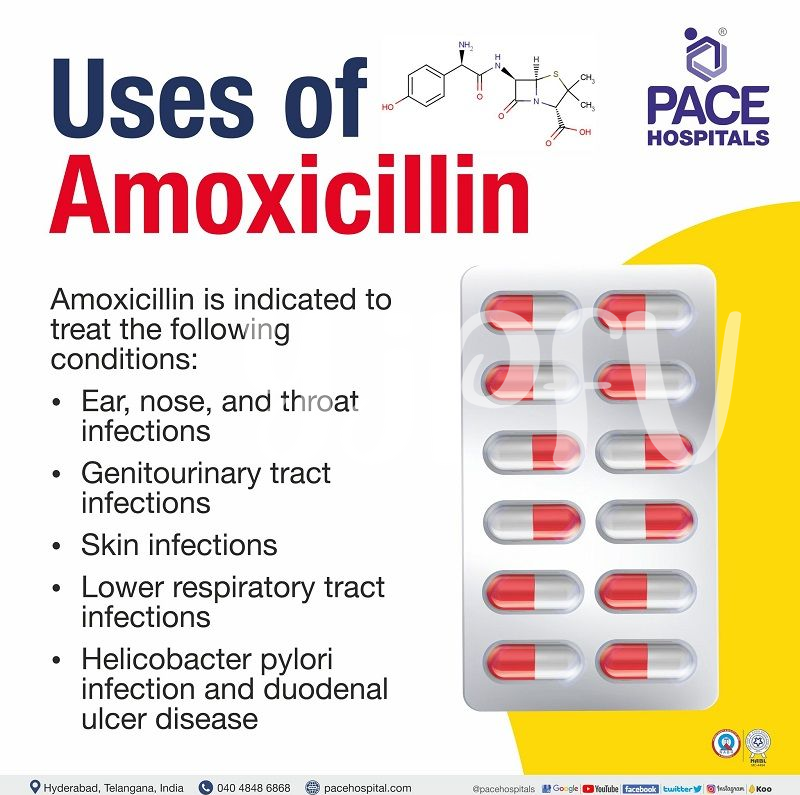
Nausea, stomach cramps, vomiting, and diarrhea can appear soon after taking amoxicillin, and many people assume they are just ordinary side effects. In some cases, that is true, but when these symptoms feel sudden, intense, or keep getting worse, they may signal an allergic reaction instead of simple stomach upset. Paying attention to the pattern matters, especially if the digestive discomfort arrives with itching, rash, or swelling.
A mild upset stomach may pass after a dose, but repeated vomiting or severe diarrhea should never be brushed off. Dehydration can develop quickly, and an allergy can escalate without warning. If your body reacts strongly after amoxicillin, stop taking it and seek medical advice right away.
Emergency Warning Signs You Should Never Ignore
When a reaction shifts from mild to severe, the body often gives clear signals. If amoxicillin triggers swelling in the lips, tongue, face, or throat, treat it as a medical emergency.
Trouble breathing, wheezing, or a tight feeling in the chest can appear suddenly and worsen fast. A person may also feel dizzy, faint, or confused as blood pressure drops.
A widespread rash with hives, especially if it spreads quickly, can be a warning that the immune system is reacting strongly. Do not wait for symptoms to pass on their own.
| Call emergency help |
If vomiting, severe abdominal pain, or collapse happens with these symptoms, seek urgent care immediately.
What to Do Right after Symptoms Start
The moment symptoms appear, stop taking amoxicillin and note the time, what you feel, and how quickly it is changing. If the reaction is mild, such as a small rash or itching, contact a healthcare professional promptly for advice, but do not take another dose until you are told it is safe. Keep the medication bottle nearby so you can share the exact name and strength. NCBI: Amoxicillin overview NCBI: Drug allergy
If hives spread, your lips swell, or breathing feels tight, treat it as an emergency and call local emergency services right away. Do not drive yourself if you feel faint. While waiting for help, stay seated, loosen tight clothing, and have someone stay with you. If an epinephrine auto-injector has been prescribed previously, use it as directed.
Even when symptoms seem to settle, you still need medical follow-up because allergic reactions can return or worsen later. A clinician can confirm whether this was a true allergy, adjust future antibiotics, and document the reaction clearly in your record. That simple step can prevent a far more dangerous encounter next time.