To Buy Accutane Online Visit Our Pharmacy ↓
Dry Skin, Chapped Lips, and First Impressions
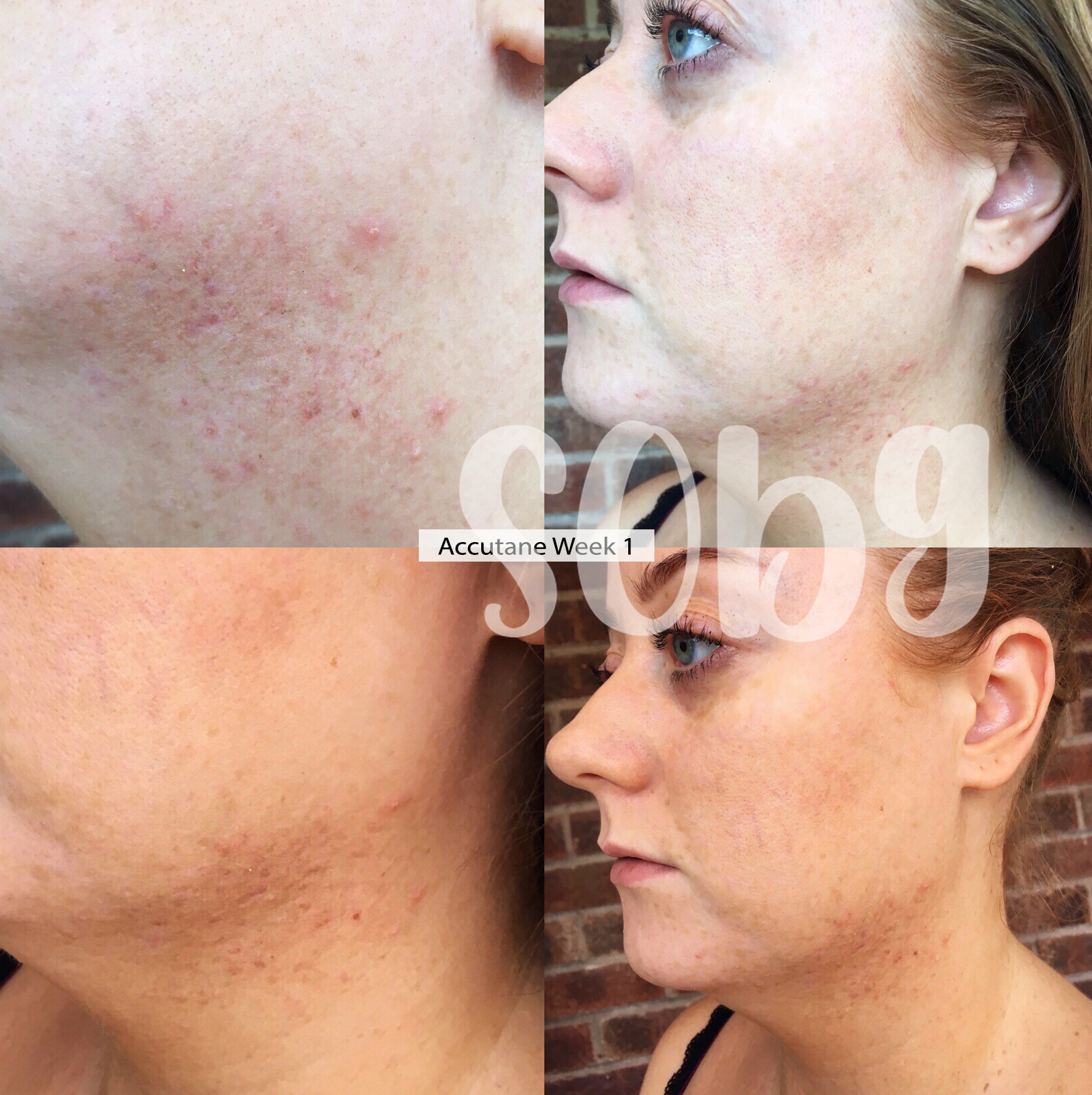
Within the first few weeks, many people notice that their skin feels tighter and less forgiving. A once-oily face may suddenly look matte, then flaky, especially around the cheeks, nose, and jawline. It can feel surprising at first, but it is one of the most common early changes.
Lips are often the first place to show it. They may become dry, sore, and easily split, even with normal talking or eating. Keeping a thick balm nearby becomes less of a habit and more of a necessity, and many people start applying it several times a day.
| Common early change | What it feels like |
|---|---|
| Skin | Tight, dry, or mildly irritated |
| Lips | Chapped, cracked, or tender |
These first impressions can be frustrating, but they also signal that the medicine is working. Gentle cleansing, fragrance-free moisturizer, and frequent lip care usually help make the adjustment easier.
Eyes, Nose, and Mouth: Hidden Dryness
Accutane can make dryness show up in places people don’t expect. Your eyes may feel gritty, stingy, or tired, especially after long screen time or wind exposure. Blinking more often or using preservative-free artificial tears can help ease that scratchy sensation and keep daily routines comfortable.
Nasal dryness is another subtle change. The lining inside the nose can become fragile, leading to crusting or occasional nosebleeds. A simple saline spray or a thin layer of petroleum jelly just inside the nostrils may reduce irritation and help protect sensitive tissue.
Mouth dryness can also creep in early, making lips feel parched and the inside of the mouth sticky. Sipping water regularly, chewing sugar-free gum, and avoiding harsh mouthwashes can help. These small adjustments often make accutane treatment feel more manageable day to day.
Purging and Acne Flare-ups at Start
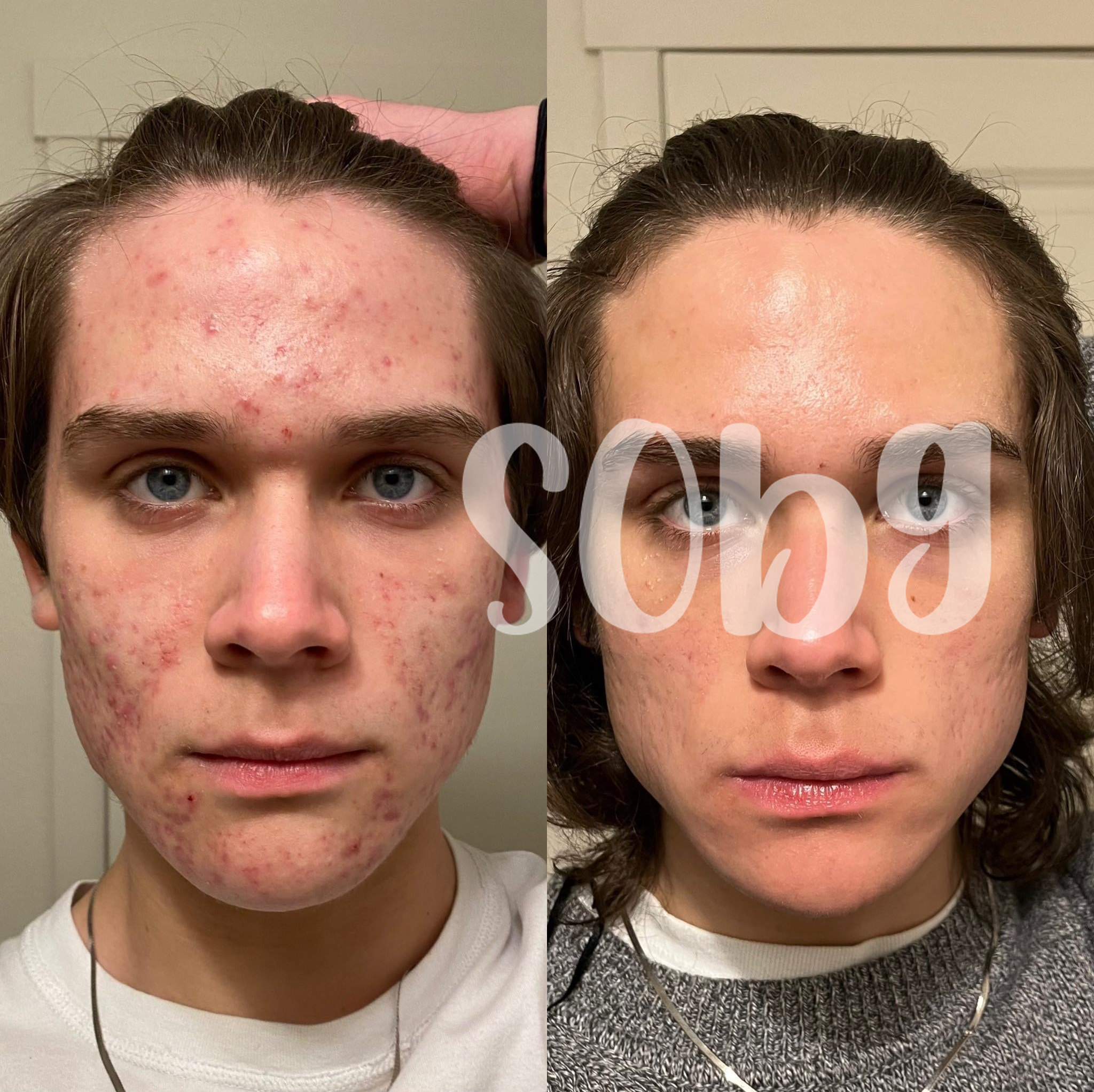
Many people starting accutane notice their skin seems to get worse before it improves. This early phase can feel discouraging, especially when new breakouts appear after you expected relief. In reality, the medication is pushing oil and clogged pores to the surface, which can create a temporary wave of blemishes.
These flare-ups are often mild, but for some users they can be more noticeable during the first few weeks. Pimples may look redder, more inflamed, or spread in areas that were already acne-prone. The key is patience: the beginning can be the roughest part, while deeper changes are still building.
Keeping your routine simple helps. Avoid harsh scrubs, picking at spots, or adding strong new products unless your dermatologist approves them. Most importantly, remember that this start does not usually reflect your final results.
Fatigue, Headaches, and Everyday Discomforts
Starting accutane can make even ordinary days feel a little heavier. Some people notice a low-energy slump, mild headaches, or a sense that their body is simply adjusting to the medication. It is often subtle at first, showing up as less motivation, slower mornings, or a need for extra rest.
These effects are usually manageable, especially when you stay hydrated, eat regularly, and avoid skipping meals. A headache may ease with water, food, or a short break from screens and bright light. Keeping a simple routine can help your body adapt more comfortably during the first weeks.
If discomfort becomes intense, persistent, or disrupts work, sleep, or daily tasks, it is worth checking in with your doctor. The goal is to notice changes early, support your body, and keep treatment as smooth as possible while accutane begins to work.
Sun Sensitivity and Skin Care Adjustments
Accutane can make skin noticeably more reactive to the sun, even after a short walk outside. A quick errand may leave your face warmer, redder, or easier to burn than usual. That sudden sensitivity often catches people off guard, especially in the first weeks.
Daily routines usually need a few practical shifts. A broad-spectrum SPF 30 or higher, reapplied often, becomes essential, and hats or shade help more than they once did. Many people on accutane also switch to gentle cleansers and richer moisturizers to reduce irritation.
| Helpful change | Why it matters |
| SPF use | Helps prevent burns |
| Gentle skincare | Reduces irritation |
These adjustments are not just protective; they make the treatment easier to live with. When the skin barrier is calmer, outdoor time feels less risky and makeup or sunscreen tends to sit better.
When Side Effects Signal a Doctor Visit
Most Accutane side effects are expected, but some symptoms deserve prompt medical attention. If dryness becomes severe enough to cause cracking, bleeding, or trouble eating and speaking, it is worth checking in with your doctor.
More urgent warning signs include intense headaches, blurred vision, nausea, chest pain, sudden mood changes, or thoughts of self-harm. These are not typical discomforts to “push through” and should be reported right away.
Painful abdominal symptoms, yellowing of the skin or eyes, or unusual muscle weakness can also point to a problem beyond routine dryness. Even if you are unsure, it is safer to ask than to guess.
A quick call can prevent a small issue from becoming a bigger one, and many side effects can be managed with simple adjustments.