Cavity Treatment for Kids in Hyderabad
Last Updated: March 8, 2026
Medically Reviewed By: Dr. Swetha U (Chief Dentist)
Tooth decay is one of the most common dental problems in children. Many parents assume cavities in baby teeth are not serious because these teeth will eventually fall out. However, untreated cavities can cause pain, infection, difficulty eating, and even affect the development of permanent teeth.
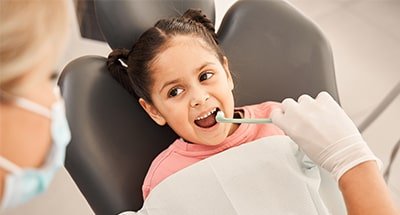
Early diagnosis and proper treatment are essential to protect your child’s oral health. At Platina Dental, our team focuses on gentle and child-friendly care to ensure that every child feels comfortable during treatment. If your child is experiencing tooth sensitivity, visible holes in teeth, or persistent tooth pain, visiting a pediatric dentist in Hyderabad can help detect and treat cavities at an early stage.
What Causes Cavities in Children?
Cavities occur when bacteria in the mouth break down sugars from food and produce acids that gradually damage tooth enamel. Children are more prone to cavities because their enamel is thinner and their brushing habits are still developing.
Some common causes of cavities in kids include:
- Frequent consumption of sugary foods and drinks
- Poor brushing habits
- Inadequate fluoride exposure
- Sticky snacks like chocolates or candies
- Prolonged bottle feeding with milk or juice
- Irregular dental checkups
Over time, these factors allow bacteria to form plaque on teeth, which leads to tooth decay if not removed through proper oral hygiene.
Signs Your Child May Have a Cavity
Cavities in early stages may not cause pain, which is why regular dental checkups are important. However, as decay progresses, parents may notice certain symptoms.
Common signs include:
- White, brown, or black spots on teeth
- Visible holes or pits in teeth
- Sensitivity to sweets or cold foods
- Tooth pain while chewing
- Bad breath despite brushing
- Food getting stuck between teeth
If your child complains of persistent tooth discomfort, it is best to consult a dentist early to prevent the cavity from worsening.
Why Cavities in Baby Teeth Should Be Treated
Many parents wonder whether cavities in milk teeth require treatment. Although baby teeth eventually fall out, they play an essential role in a child’s development.
Healthy baby teeth help with:
- Proper chewing and nutrition
- Clear speech development
- Maintaining space for permanent teeth
- Preventing infections that can affect adult teeth
Untreated cavities can lead to severe infections, premature tooth loss, and orthodontic problems later. Early cavity treatment helps protect both the baby teeth and the developing permanent teeth.
Treatment Options for Cavities in Kids
The type of treatment depends on the severity of the decay. Pediatric dentists recommend different procedures based on how deeply the cavity has affected the tooth.
1. Dental Fillings
If the cavity is small or moderate, the decayed portion of the tooth is removed and replaced with a filling material. Tooth-colored fillings are commonly used for children as they blend naturally with the tooth structure.
This procedure restores the shape and strength of the tooth while preventing further decay.
2. Pulp Therapy (Baby Root Canal)
If decay reaches the inner pulp of the tooth, the dentist may recommend pulp therapy. This treatment removes infected tissue from inside the tooth while preserving the remaining structure.
Pulp therapy helps save the tooth and prevents the need for extraction.
3. Dental Crowns for Children
When a cavity severely damages the tooth, a dental crown may be placed to protect and strengthen it. Crowns are especially useful for baby molars that are essential for chewing.
Different types of crowns may be used depending on the tooth and aesthetic needs. Crowns provide long-term protection and allow the tooth to function normally until it naturally falls out.
Preventing Cavities in Children
Preventive care plays a major role in maintaining a child’s oral health. Simple daily habits can significantly reduce the risk of cavities.
Here are some effective prevention tips:
- Encourage brushing twice daily with fluoride toothpaste
- Limit sugary snacks and beverages
- Avoid frequent snacking between meals
- Ensure proper brushing technique
- Schedule regular dental checkups
- Consider professional fluoride treatments
Professional topical fluoride application can strengthen tooth enamel and reduce cavity risk in children.
Importance of Regular Pediatric Dental Visits
Routine dental visits help detect early signs of tooth decay before they become serious problems. Pediatric dentists also monitor the growth and development of a child’s teeth and jaws.
During a routine visit, the dentist may:
- Examine teeth for early cavities
- Provide preventive fluoride treatments
- Offer guidance on brushing and diet
- Evaluate bite and jaw development
Regular visits help build positive dental habits and make children more comfortable with dental care.
Parents Often Ask
Are cavities common in children?
Yes. Tooth decay is one of the most common childhood health conditions. However, with proper oral hygiene and regular dental visits, cavities can often be prevented.
Do cavities in baby teeth need treatment?
Yes. Treating cavities in baby teeth prevents pain, infection, and damage to developing permanent teeth.
At what age can children get cavities?
Cavities can develop as soon as teeth erupt, which is why early dental visits and proper brushing habits are important.
How can I reduce cavity risk in my child?
Limiting sugary snacks, encouraging regular brushing, and visiting a dentist for preventive care significantly reduce cavity risk.
Gentle Cavity Treatment for Children in Hyderabad
Children often feel anxious about dental treatments, which is why pediatric dentistry focuses on creating a calm and friendly environment. Modern techniques and behavior management approaches help ensure that cavity treatment is comfortable and stress-free.
Early treatment not only relieves pain but also protects your child’s long-term oral health.
If your child is experiencing tooth sensitivity, visible decay, or persistent tooth pain, consulting a pediatric dentist in Hyderabad can help diagnose the issue and provide the appropriate treatment.
Book Your Childs Cavity Treatment in Hyderabad
Our Expert Team of Dentists

Dr. Swetha U
Chief Dentist
Specialty: Aesthetic Smile Design, Dental Implants, Laser Dentistry

Dr. Pavan Kommu
Chief Orthodontist
Specialty: Advanced Invisalign Certification, Braces & Aligners

Dr. Ravi Uttara
Orthodontist
Specialty: Braces, Aligners & Invisalign