

Platina Dental Logo
Symptom Relief & Care

Child Tooth Decay & Baby Bottle Caries in Hyderabad

Tooth decay in children moves quickly through thin baby enamel. Catching chalky spots early prevents pain, while gentle, fear-free treatments protect your child's developing adult smile.

Instant WhatsApp Chat
Child Tooth Decay & Baby Bottle Caries
Same-Day AppointmentsKPHB & Kondapur
DS
Clinically Reviewed by Dr. Swetha U
Chief Dental Surgeon & Clinical Director • 16+ Years Clinical Expertise
100% Painless Protocols 3D Digital RVG Diagnosis
Parent's Guide

Why Baby Teeth Need Extra Protection

It is easy to assume that because baby teeth eventually fall out, cavities in milk teeth aren't a big deal. In reality, your child's primary teeth do critical work: they hold exact spaces in the jaw for adult teeth to grow into, help develop clear speech, and allow your child to chew healthy foods without discomfort.

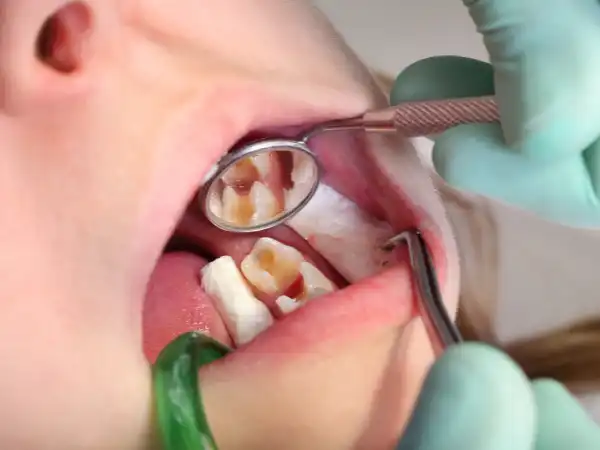
Because milk tooth enamel is only half as thick as adult enamel, cavities can progress from a harmless-looking white spot to a painful nerve infection in just a few months. Catching decay early means simple, gentle fixes with zero needles or drills.

The bedtime bottle trap: Putting a baby or toddler to bed with a bottle of milk or formula is the leading cause of front tooth decay. Saliva flow slows down during sleep, so pooled milk sugars coat the upper teeth all night long.

Child-Friendly Care

Gentle Solutions for Every Stage of Decay

We believe dental visits should be positive, stress-free experiences. Here is how we care for your child based on the stage of the tooth:

Early Reversible10 Mins • Zero Drilling

Fluoride Varnish & Tooth Sealants

For early chalky white lines before an actual hole forms. We paint a quick, pleasant-tasting fluoride varnish that rebuilds soft enamel. Deep chewing grooves on back molars are painted with protective sealants to block food out permanently.

Explore Preventive Fluoride
Small CavityQuick 20-Min Visit

Gentle White & Fluoride Fillings

When a small cavity has formed but hasn't reached the nerve. We gently clear away the softened spot and seal it with fluoride-releasing glass ionomer or natural tooth-colored filling material, stopping decay in its tracks.

Explore Pediatric Fillings
Nerve Involved100% Numb & Painless

Milk Tooth Root Canal & Pediatric Crowns

When decay reaches the nerve and causes throbbing, a gentle Pulpectomy clears the infection so the tooth doesn't have to be pulled. We fit a durable stainless steel or white zirconia crown over it to protect the space until the tooth sheds naturally.

Explore Baby Tooth Root Canals
High Fear / Multiple TeethSingle 2-Hour Visit

Comfortable Sleep Care (Hospital GA)

For toddlers with rampant bottle decay or intense fear where sitting in a dental chair causes panic. In an accredited surgical hospital setting led by senior pediatric anesthesiologists, all needed treatments are completed while your child sleeps comfortably.

Explore General Anesthesia Care
Early Growth Guidance (Ages 5–10)Phase 1 Orthodontics

Habit Breaking Appliances & Myofunctional Trainers

When early tooth loss, thumb-sucking, mouth breathing, or tongue thrusting begins warping jaw shape, waiting until teenage years makes correction much harder. We use comfortable habit-breaker appliances and soft removable Myobrace trainers to help guide facial muscles, expand narrow palates, and guide adult teeth into straight alignment naturally.

What You Can Do Right Now for Relief

  • Rinse your child's mouth gently with lukewarm salt water (half a teaspoon of salt in a warm glass of water) to wash away trapped food and soothe tender gums.
  • If your child has a throbbing ache, give age- and weight-appropriate pediatric paracetamol or ibuprofen as advised by your pediatrician. NEVER rub pain balms, crushed tablets, or clove oil directly on raw gum tissue.
  • Hold a cool cloth or a soft ice pack wrapped in a small towel against the outside of your child's cheek for 10 minutes to ease swelling and numb the throb.
  • Never send your toddler to bed with a nursing bottle containing milk, formula, sweetened water, or juice. After brushing at bedtime, offer only plain water.
  • Keep your child's head slightly elevated with an extra pillow when resting to decrease blood rush and pounding pressure in the jaw.
  • Schedule a gentle evaluation with our child-friendly pediatric dentists before the infection reaches the developing adult tooth buds underneath.

Common Causes of Child Tooth Decay & Baby Bottle Caries

Bedtime Nursing Bottles & Sweetened Liquids

Putting infants to sleep with bottles of milk, formula, or juice allows natural sugars to coat the upper front teeth for hours. Nighttime saliva flow drops, creating a continuous acid bath that quickly dissolves enamel.

Thinner Enamel on Baby Teeth

Baby teeth have an enamel shell only half as thick as adult teeth. Once a tiny cavity starts, it can eat through to the soft inner nerve in just a few short months.

Frequent Snacking on Sticky Carbs

Frequent grazing on packaged biscuits, fruit chews, chips, chocolates, and packaged fruit juices keeps mouth acid levels high throughout the day, fueling cavity-causing bacteria.

Natural Mineralization Defects (Hypoplasia)

Some children are born with softer, chalky enamel due to premature birth, low birth weight, or severe early fevers, making their teeth chip and decay much more easily.

Thumb Sucking & Mouth Breathing

Prolonged thumb-sucking, pacifier use beyond age 3, or mouth breathing dries up protective saliva and alters jaw shape, crowding teeth and creating tight, hard-to-clean pockets.

Stages of Child Tooth Decay & Baby Bottle Caries

1. Chalky White Spots (100% Reversible)

Dull, chalky white lines appear near the gumline of the upper front teeth. There is no pain, and the enamel can be completely rebuilt with professional fluoride varnish without drilling.

2. Yellow or Light Brown Cavities (Enamel Loss)

The weakened surface collapses into a shallow crater. The child might complain of mild sensitivity to cold juices or sweet treats. Repaired easily with tooth-colored fillings.

3. Deep Cavity & Night Pain (Nerve Involvement)

Decay reaches the living nerve inside the baby tooth, causing crying, refusal to eat solid foods, and waking up at night. Requires gentle pulpotomy or pulpectomy to save the tooth.

4. Gum Abscess & Swelling (Emergency Stage)

A small yellowish pimple or boil appears on the gum above the tooth, accompanied by swelling or fever. Urgent same-day care is needed to protect the permanent tooth bud underneath.

Precision Diagnostics

How We Accurately Diagnose the Issue

Ultra-Low-Dose Pediatric Digital RVG X-Ray

Uses a tiny, child-sized sensor to see inside the tooth with near-zero radiation, checking cavity depth and the health of the adult tooth bud underneath.

Caries Risk Assessment (CAMBRA)

Evaluates your child's dietary habits, nighttime feeding patterns, and saliva quality to stop future cavities before they begin.

Visual & Transillumination Check

Uses friendly optical light to illuminate hidden decay between tight baby molars without scary instruments.

Recommended Treatments for Child Tooth Decay & Baby Bottle Caries

Clinically proven, painless procedures performed by certified specialists at Platina Dental.

Same-Day Relief
Painless CareSpecialist Pedodontist

Pediatric Dentistry & Child Dental Care

Painless pediatric care by Specialist Pedodontists (MDS). Pulpotomy, pulpectomy, SS & Zirconia crowns, fluoride varnish, and treatment under Hospital General Anesthesia (GA).

12–18 MonthsBite Correction

Dental Braces & Orthodontics

Advanced metal, tooth-colored ceramic, and self-ligating Damon braces for precise, complex bite correction and jaw realignment.

Clinical Video Library

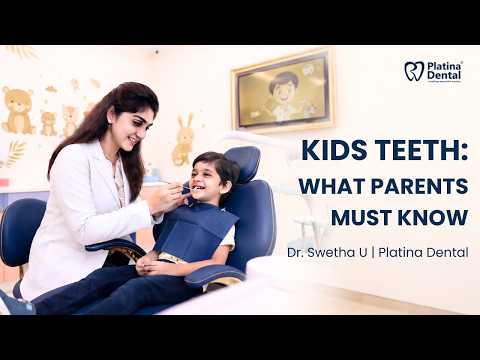
Kids Tooth Decay Guides & Patient Education

Explore our videos to understand your kids tooth decay and cavities.

Why Does My Child Keep Getting Cavities?
Quick Reel
Child Tooth Decay

Why Does My Child Keep Getting Cavities?

Cavities can develop due to a combination of diet, plaque, brushing habits, fluoride exposure and other risk factors. Dr. Swetha explains why prevention needs a consistent routine.

Clinical VerificationPlatina Dental
Black Spots on Kids' Teeth: Stains or Cavities?
Quick Reel
Child Tooth Decay

Black Spots on Kids' Teeth: Stains or Cavities?

In this video Dr. Swetha explains - Black spots on a child's teeth may be stains or tooth decay; appearance alone cannot confirm the cause. Find out why a dental check is helpful.

Clinical VerificationPlatina Dental
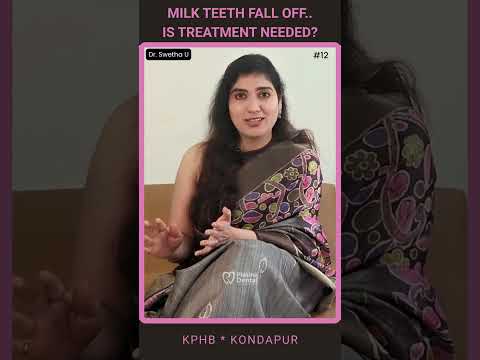
Milk Teeth Fall Out Anyway—Why Treat Cavities?
Quick Reel
Child Tooth Decay

Milk Teeth Fall Out Anyway—Why Treat Cavities?

Milk teeth are temporary, but problems in them can still affect a child's comfort, eating and oral health. Dr. Swetha explains why a dentist may recommend treatment.

Clinical VerificationPlatina Dental
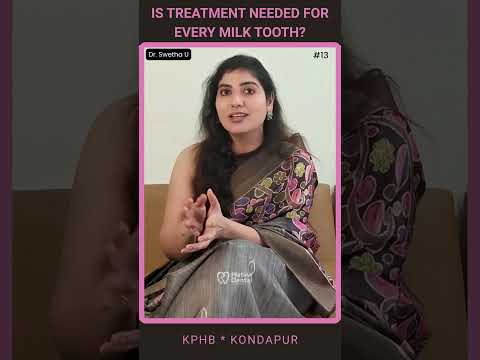
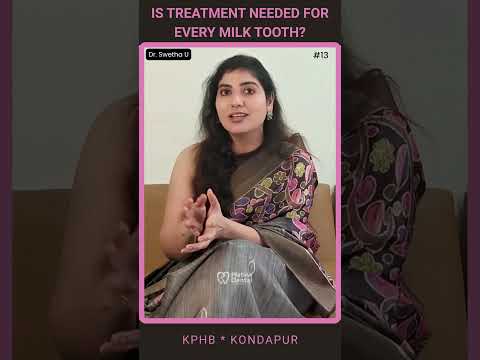
Does Every Cavity in a Milk Tooth Need Treatment?
Quick Reel
Child Tooth Decay

Does Every Cavity in a Milk Tooth Need Treatment?

In this video Dr. Swetha explains - Not every milk tooth needs the same treatment. The decision depends on factors such as the tooth, the extent of decay and how soon it is expected to fall out. Get a dental assessment rather than guessing.

Clinical VerificationPlatina Dental
Patient Education

Clinical Guides for Child Tooth Decay & Baby Bottle Caries

Explore All Articles
Dr. Swetha U - Chief Dental Surgeon
Founder & Clinical Director

Led by Dr. Swetha U (16+ Years Experience)

“Every root canal we perform is executed with uncompromising precision. Our goal is to completely remove discomfort while preserving your natural tooth structure using advanced micro-dentistry and laser sterilization.”

Read Doctor Profile
⭐ 4.9 / 5.0 (1000+ Reviews)
Private Suites

Visit Our Luxury Studios in Hyderabad

Centrally located in KPHB and Kondapur. Open daily from 10 AM to 8:30 PM.

Platina Dental KPHB Studio
Flagship Studio10 AM - 8:30 PM Daily

KPHB Studio

1st, JAWAHARLAL NEHRU TECHNOLOGICAL UNIVERSITY, MIG 42, Kukatpally Housing Board Colony, Kukatpally, Hyderabad 500072

Areas Served: KPHB, Kukatpally, Miyapur, Nizampet & JNTU

Platina Dental Kondapur Studio
Aesthetic Studio10 AM - 8:30 PM Daily

Kondapur Studio

Ravi Enclave, Sudha Square, 1-111/54/SSS/102, 2nd floor, Sahithi, beside kims hospital, Kondapur, Hyderabad, Telangana 500084

Areas Served: Kondapur, Madhapur, Gachibowli & Hitech City

Frequently Asked Questions About Child Tooth Decay & Baby Bottle Caries

Learn more about our clinical philosophy, bespoke care, and studio locations.

Why do baby teeth decay so much faster than adult teeth?

Baby teeth are miniature teeth with an enamel shell less than 1 mm thick—about half the thickness of adult teeth. Their inner nerve chamber is also much larger. When bacteria produce acid, it burns through that thin shell very quickly, reaching the nerve in as little as 3 to 6 months.

Why should we treat baby teeth if they are going to fall out anyway?

Baby teeth aren't temporary placeholders—they act as natural guides for permanent teeth, help your child chew nutritious food comfortably, and are essential for speech development. If an infected baby tooth is lost years too early, neighboring teeth shift into the space, causing severe crowding that requires braces later. In severe cases, deep infections can also permanently damage the adult tooth growing directly underneath.

What is the difference between a child Pulpotomy and a Pulpectomy?

Both are gentle, child-specific nerve treatments designed to save a baby tooth. A Pulpotomy is done when decay touches only the top part of the nerve; we gently remove the irritated portion and place a soothing, healing mineral base. A Pulpectomy (a baby tooth root canal) is needed when the infection has traveled deeper into the root canals, clearing out bacteria so your child can chew pain-free.

Why do dentists put silver or white crowns on baby teeth?

Baby tooth enamel is so thin that after cleaning out a deep cavity or treating the nerve, a standard filling will usually crack under normal chewing pressure. A pediatric crown (either durable stainless steel or lifelike white zirconia) fits completely over the tooth like a protective cap, keeping it strong until it falls out naturally on schedule.

What if my child is very young, anxious, or terrified of the dental chair?

We practice 'Tell-Show-Do' psychology and use playful terminology to make visits fun. However, for very young toddlers (ages 1 to 4) with rampant baby bottle decay or intense fear, we offer Hospital General Anesthesia (GA). Led by Senior Consultant Pediatric Anesthesiologists, all needed fillings, root canals, and crowns are completed in a single 2-hour session while your child sleeps comfortably, eliminating pain and dental trauma.

Gentle, Fear-Free Pediatric Care at Platina Dental

Same-day appointments available across KPHB & Kondapur. Walk in or contact our clinical coordination desk.

Chat on WhatsApp
Platina Dental Studios

Book Your Appointment

Fill out the quick form below and our team will confirm your slot instantly.

Fast-Track Consultation

Book Your Appointment

Schedule your visit at our KPHB or Kondapur studio with our specialist team.